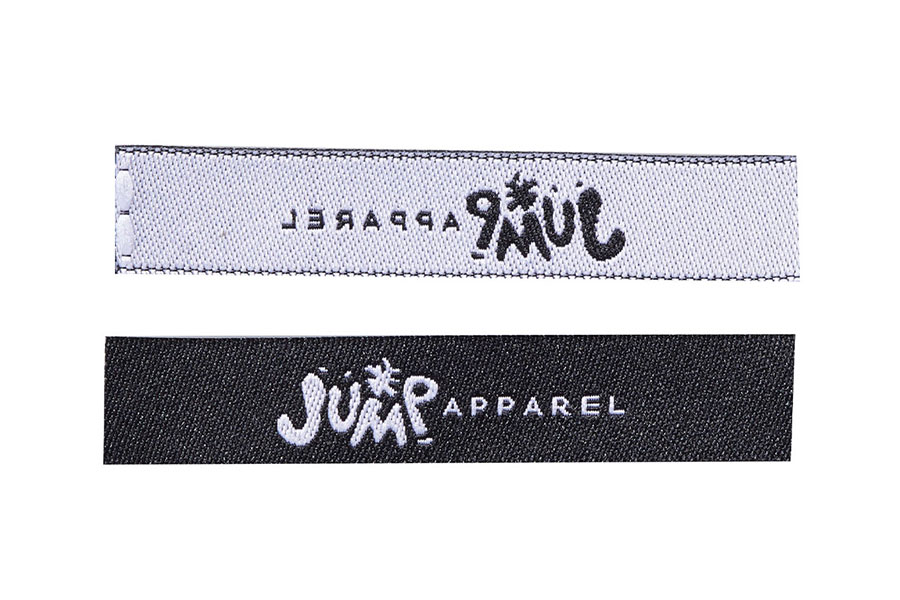
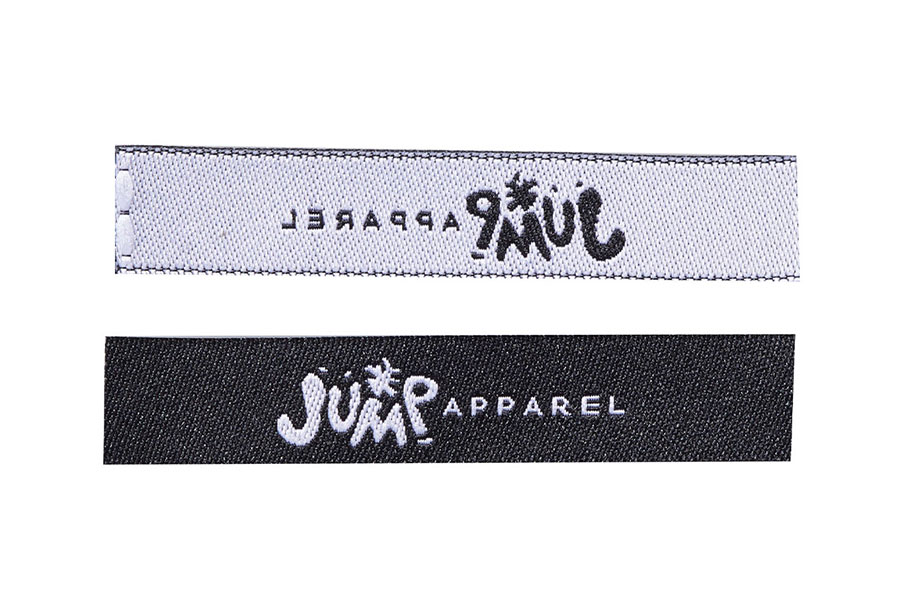
Custom Logo Woven Label
Custom Woven Labels
-
Americas, Europe and Middle East:Phone: 917-891-1278Email: csjsdhangers@gmail.com
-
Asia, except Middle East:Phone: +86-13119695540Email: tsjsdhanger@163.com
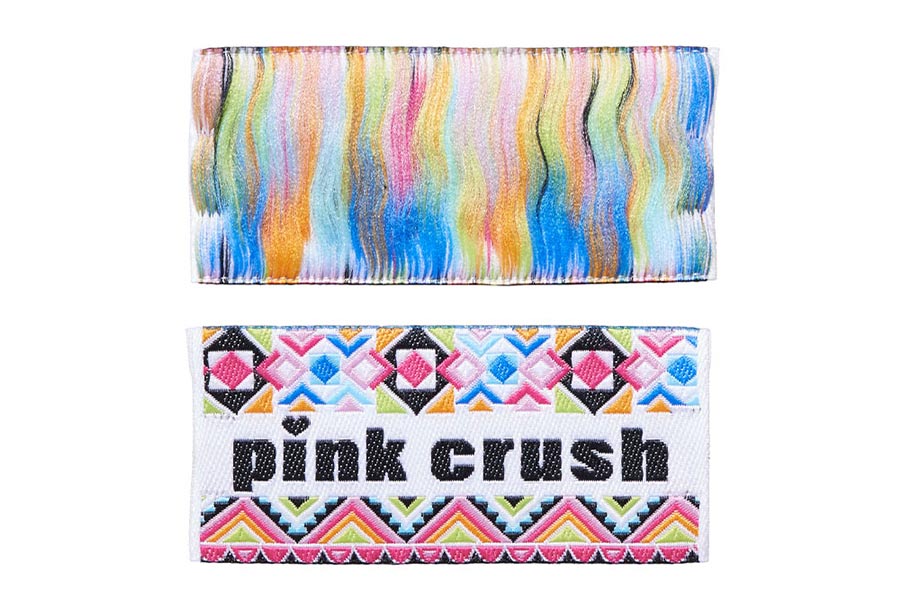
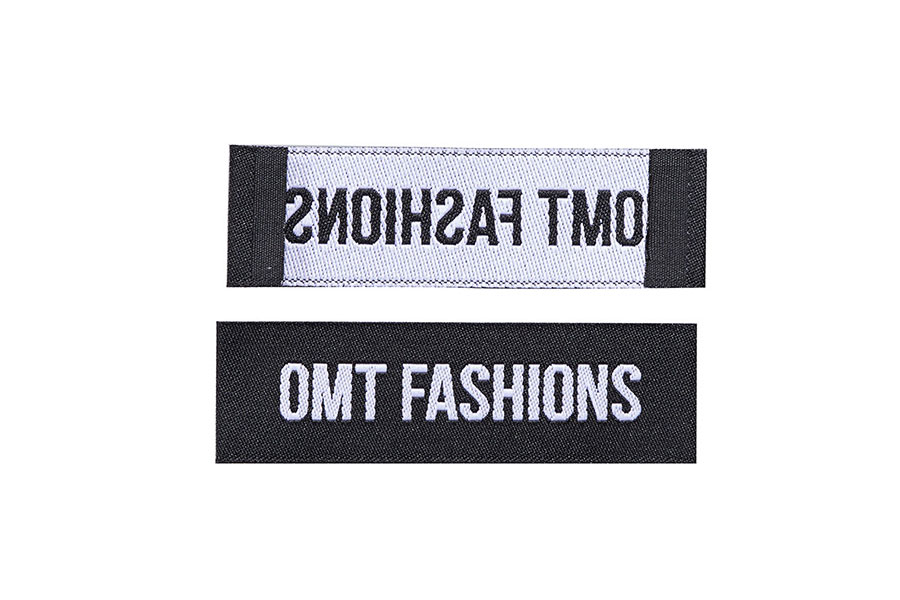
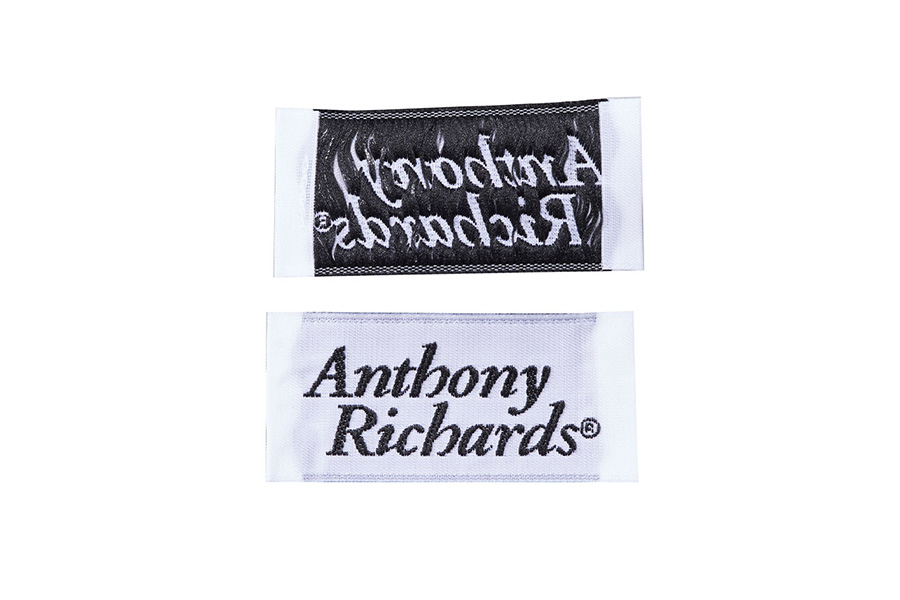
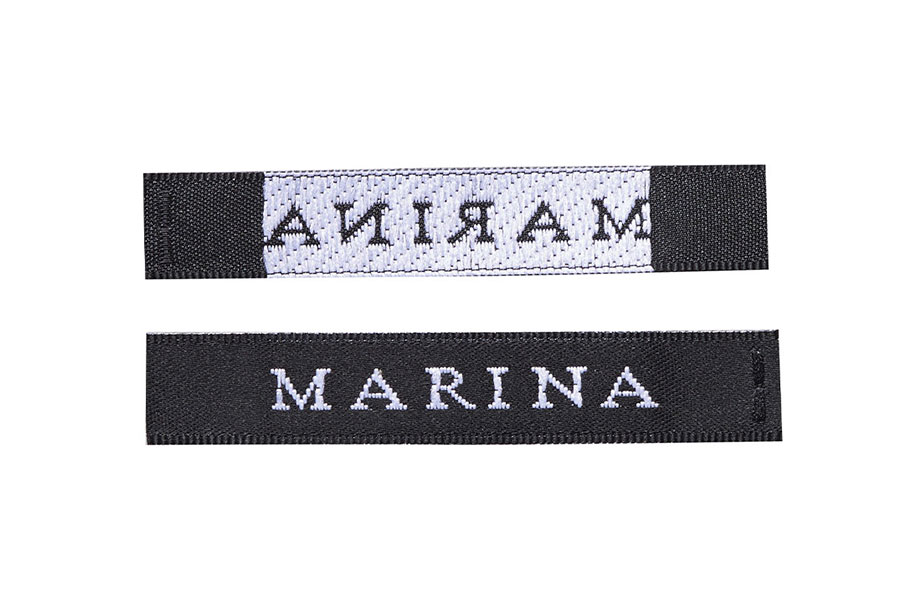
Logo woven labels are garment accessory products created by weaving text and graphics into the base yarn using industrial weaving equipment. They are widely used in the clothing, footwear, bags, and textile industries. Unlike ordinary printed labels, the design of woven labels is not applied later but is formed during the weaving process, resulting in higher structural stability and durability. These labels typically use polyester fiber or high-density rayon as raw materials and maintain their clarity even after multiple washes, friction, and prolonged wear. They are suitable for brand clients and garment manufacturers who have specific requirements for brand recognition, quality stability, and batch consistency.
| Custom | Factory Nature |
| Size, Color, Design Etc. | China Factory Manufacturer Taishan Jinshunda |
Custom Logo Woven Label Features
1. Structural Stability
Logo woven labels utilize a high-density weaving structure, with common warp and weft densities reaching 80–120 threads/cm, significantly higher than ordinary woven fabrics. The patterns and text are formed by the interlacing of threads, creating an integral structure rather than a surface coating. Therefore, they are less prone to peeling, cracking, or blurring under repeated washing, pulling, or high-frequency friction.
2. Material Suitability
Mainstream logo woven labels are typically woven using 100% polyester fiber yarn or high-density rayon yarn. The tensile strength of a single yarn can reach 3.5–4.5 cN/dtex, ensuring both flexibility and durability. Compared to pure cotton woven labels, polyester material has higher dimensional stability in wet conditions, with shrinkage usually controlled to ≤2%, making it more suitable for the requirements of dimensional consistency and delivery stability in large-scale garment production.
3. Process Precision
The woven label patterns are created using electronic jacquard looms, achieving a minimum line resolution of 0.3–0.5 mm, suitable for the clear presentation of letters, simplified graphics, and brand identification marks. Compared to heat transfer or screen printing labels, woven labels maintain sharp edges even with high-contrast color combinations, avoiding ghosting or color diffusion problems, making them more suitable for the detail control requirements of mid-to-high-end clothing brands.
4. Folding Options
These logo woven labels support various standard folding structures, with Center Fold being one of the most widely used forms in the apparel industry. The center fold structure allows the label to hang naturally perpendicular to the seam after sewing, reducing direct friction against the skin. In actual production, center-folded woven labels usually have a 6–10 mm seam allowance, facilitating operation with high-speed sewing equipment and improving the efficiency of the garment production line.
5. Customization Capabilities
Logo woven labels support comprehensive customization in terms of size, color, weaving density, and pattern content. The regular label width ranges from 10–60 mm, and the length can be flexibly adjusted according to the brand information layout. Colors can be matched to the Pantone standard color system, suitable for brands to maintain visual consistency across different product lines. This type of customization capability is particularly suitable for OEM/ODM projects and the need for unified label management across product series.
1. Garment Manufacturing
In garment production, woven logo labels are commonly sewn as main or side labels at the neckline, side seams, or hem. Their wash-resistant and durable properties make them suitable for frequently worn items such as T-shirts, sweatshirts, denim wear, and jackets. For mass-production factories, woven labels reduce after-sales problems caused by label detachment or fading during long-term use, helping to maintain consistent brand quality.
2. Children's Clothing and Functional Apparel
Children's clothing and functional apparel typically require more frequent washing and withstand higher-intensity wear. Woven logo labels perform better in terms of low-irritation materials and structural stability, less prone to sharp edges or curling, reducing the risk of skin friction, making them suitable for product lines with specific safety and durability standards.
3. Footwear, Headwear, and Bags
In footwear, headwear, and soft luggage products, woven labels are often used for brand identification and information display. Because these products experience high friction and concentrated stress during use, printed labels are easily worn out, while woven labels maintain structural integrity under repeated stretching and folding, making them more suitable for outdoor products or high-frequency use scenarios.
4. Brand Series Management
For brands with multiple series or long-term continuous supply, woven logo labels help achieve long-term stable output of label specifications. By fixing weaving parameters and color standards, the label appearance can remain highly consistent across different batches and factories, reducing brand identification discrepancies, suitable for project-based procurement and long-term cooperation models.
5. OEM/ODM Projects
In OEM/ODM orders, woven labels are usually one of the materials mandatorily specified by the brand owner. Their customizability and batch stability allow them to be produced in conjunction with different fabrics and styles, reducing subsequent replacement costs. For garment projects targeting overseas markets, woven labels are also more likely to meet the comprehensive requirements of multiple markets regarding durability and compliance.
Custom Logo Woven Label FAQs
Q: What are the main advantages of woven logo labels compared to printed labels?
A: The core advantage of woven logo labels lies in their different manufacturing process. Woven labels are created by directly weaving the pattern into the yarn structure during the weaving process, while printed labels rely on ink adhering to the surface. Under long-term wear and repeated washing, printed labels are more prone to fading, cracking, or peeling, while woven labels maintain their clarity even after more than 50 washing tests, making them more suitable for products that require durability and a strong brand image.
Q: Are woven logo labels suitable for large-volume, long-term orders?
A: These labels are very suitable for large-volume and long-term orders. Woven labels can achieve stable and repeatable production through fixed machine parameters. Under the same process conditions, color deviations and size errors between different batches can be controlled within industry-acceptable limits. For customers who require continuous reorders or multi-year procurement, this stability helps reduce the cost of re-sampling and repeated confirmations.
Q: Can the size and folding method of the woven label be adjusted according to different garment styles?
A: Yes. Woven logo labels support adjustments to the label width, length, and folding method according to the garment structure. Common widths range from 10 mm to 60 mm, and folding methods include center fold, end fold, and no fold. These can be matched according to the neckline structure, sewing position, and wearing comfort, making them suitable for simultaneous development across multiple clothing categories.
Q: Do woven labels harden or irritate the skin after multiple washes?
A: The feel of woven labels mainly depends on the yarn material and weaving density. By using high-density polyester or rayon yarn and controlling the weaving tension, the labels can maintain their softness after multiple washes and are less likely to harden significantly. Compared to lower-quality woven labels, high-specification weaving significantly reduces skin irritation.
Q: Do you support complete customization of brand logos, fonts, and colors?
A: Yes. Woven logo labels can be customized according to the brand files provided by the customer, including font style, pattern proportion, and color combination. Colors can be matched using standard color codes, allowing brands to maintain a consistent visual identity across different product lines, especially suitable for project-based clients with specific brand guidelines.
Taishan Jinshunda Garment Accessories Products Co., Ltd. was founded in 2001, and for nearly a quarter of a century it has focused on manufacturing premium plastic products while sustaining a stellar reputation in the industry.
Company headquarters are located in Taishan City within the Guangdong Province in China. Its modern and spacious facilities, covering almost 141,000 square feet, are equipped with advanced, production equipment and proficient technical staff. Both are crucial to ensure the development of first-rate plastic goods that include clothes hangers, elastic and disposable food containers. Plastic clothes hangers feature innovative design combined with reliable sturdiness. These hangers not only meet demanding daily usage requirements, they are also aesthetically appealing and can support a full range of garments. In addition, elastic is pliable and can withstand a high level of wear and tear.
Plastic food containers are constructed of high-grade and environmentally friendly materials that offer superior sealing performance. Therefore, whether containers are used for meal storage or carrying take-out, food placed within these durable containers remains fresh and do not leak.
Due to the relentless pursuit of creating top-quality merchandise that meets customers’ wide-ranging needs, our plastic products have sold extensively in both domestic and international markets. They have successfully garnered the trust of our clients and we will undoubtedly continue to strive for innovation, excellence and service of the utmost level.