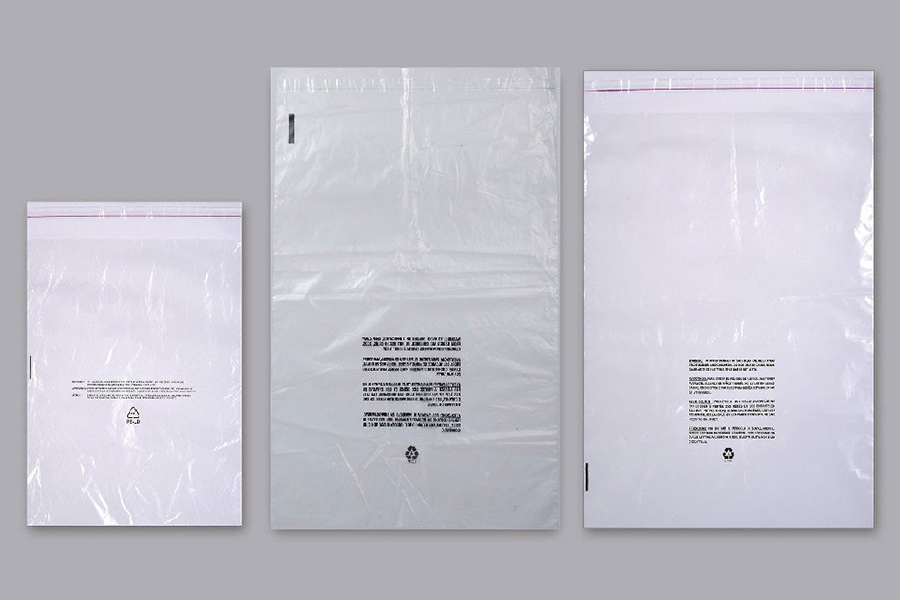

How Can Packaging Buyers Avoid Delivery Delays From Custom Self Seal Bag Orders?
For apparel brands, garment factories, underwear suppliers, e-commerce sellers, and retail packaging distributors, self seal bag products are used in daily packing, warehouse sorting, product protection, and final delivery. A self seal bag looks simple, but in bulk purchasing, small details can affect the whole delivery schedule. If the size is wrong, the sealing strip is weak, the printed logo is delayed, or the bag thickness does not match the product weight, the buyer may face repacking, shipment delays, customer complaints, and extra cost.
custom plastic shopping bags with logo usually involve more steps than standard stock bags. Buyers need to confirm bag size, material thickness, adhesive quality, printing artwork, packaging quantity, carton marks, and delivery time before production. If these details are not confirmed clearly, the order may be delayed before shipment or rejected after arrival.
Why Custom Self Seal Bag Orders Are Easy To Delay
Custom Self Seal Bag orders often require size confirmation, logo printing, material selection, sample approval, production scheduling, inspection, and packing. Each step needs accurate communication. If one detail is unclear, the supplier may need to stop production and wait for confirmation.
For example, a buyer may request a bag for underwear packaging, but the product size, folding method, and packing thickness are not provided. The final bag may become too tight for warehouse packing or too loose for retail display. Once the buyer notices the issue after sampling, the artwork, cutting size, and production plan may need to be adjusted again.
This is why packaging buyers should treat custom self seal bags as a project-based order, not only a low-cost accessory purchase.
Size Confirmation Is The First Risk Point
Bag Width And Length Must Match Real Packing
The most common issue in custom self seal bag orders is wrong size selection. A bag may look suitable on a drawing, but after real packing, it may not have enough space for folded garments, labels, hangers, or extra inserts.
For apparel and underwear packaging, buyers should measure the product after folding, not before folding. If the bag is too small, workers may need extra force to insert the product, which slows packing speed and may damage the bag. If the bag is too large, the package may look loose and unprofessional.
Flap Size Affects Sealing Performance
The self seal flap should have enough length to close securely. If the flap is too short, the adhesive strip may not seal the bag properly. If the flap is too long, it may waste material and affect packing efficiency.
Buyers should confirm flap size together with bag length, adhesive strip position, and product thickness. These details help reduce sealing complaints after delivery.
Material Thickness Can Affect Cost And Quality
Thin Bags May Reduce Cost But Increase Risk
Many buyers compare Self Seal Bag prices mainly by unit cost. However, if the material is too thin, the bag may tear during packing, storage, or delivery. Thin bags may also reduce product presentation because they wrinkle easily or look less stable.
For retail packaging and e-commerce delivery, the bag needs enough strength to protect garments from dust, friction, and handling. A low-cost bag that causes product damage may create higher after-sales cost than the money saved during purchasing.
Over-Thick Bags May Increase Unnecessary Cost
On the other hand, choosing material that is too thick can increase cost and shipping volume. For lightweight garments or small accessories, buyers may not need heavy material. The right choice depends on product weight, packaging method, delivery channel, and customer positioning.
A good packaging plan should balance cost, protection, appearance, and packing speed.
Seal Strength Should Be Checked Before Bulk Production
The sealing strip is one of the most important parts of a Self Seal Bag. If the adhesive is weak, the bag may open during storage or transport. If the adhesive is too strong or poorly positioned, users may find it difficult to close the bag neatly.
Seal quality can be affected by adhesive type, storage temperature, surface cleanliness, and production stability. For export orders, buyers should also consider shipping time and destination climate. In hot or humid markets, poor adhesive performance may become more obvious.
Before confirming a bulk order, buyers should test the seal after packing real products. They should check whether the bag stays closed after pressure, stacking, and normal handling.
Logo Printing Can Delay Custom Orders
Artwork Confirmation Must Be Clear
Custom plastic shopping bags with logo usually require artwork files, logo size, printing color, printing position, and proof approval. If the artwork file is unclear or the color standard is not confirmed, production may be delayed.
Buyers should provide high-resolution artwork and confirm whether the logo needs single-color printing, multi-color printing, or special layout. They should also check whether the logo position will be blocked by the folded garment, label, or sealing flap.
Printing Accuracy Affects Brand Image
For fashion brands and packaging distributors, logo printing is not only decoration. It affects brand presentation. If the logo is tilted, color is inconsistent, or printing position varies between batches, the final packaging may look unprofessional.
This is why custom printing should be checked during sample approval and bulk production inspection.
Production Lead Time Needs Realistic Planning
Custom Self Seal Bag orders usually take longer than standard packaging orders because of artwork confirmation, sample preparation, printing setup, cutting, sealing, packing, and inspection. If buyers wait until the packaging is urgently needed, any small issue can delay the full shipment.
For seasonal apparel launches, online promotion campaigns, retail restocking, and factory packing schedules, packaging materials should be confirmed early. A delayed packaging bag can hold back finished products that are already ready for shipment.
Buyers should ask the supplier for a clear production timeline, including sample time, artwork approval time, mass production time, inspection time, and shipping time.
Bulk Packing And Carton Labels Reduce Warehouse Errors
Self seal bags are often ordered in large quantities. If carton labels are unclear, warehouse staff may mix sizes, colors, or printed versions. This can slow down packing lines and create order mistakes.
For buyers with multiple sizes or product lines, carton marks should include bag size, material thickness, printed logo version, quantity per carton, and order number. Clear labeling helps the warehouse team find the correct packaging quickly.
Packing method also matters. Bags should be packed flat and protected from dust, moisture, and heavy pressure. Poor packing may cause wrinkles, deformation, or adhesive contamination before use.
What Buyers Should Confirm Before Ordering
Before placing a custom Self Seal Bag order, packaging buyers should prepare complete information. This helps reduce back-and-forth communication and prevents production mistakes.
Important details include:
Bag width and length
Flap size and seal position
Material type and thickness
Product weight and packing method
Logo artwork and printing position
Quantity per size or design
Packing quantity per carton
Carton label requirements
Target delivery date
Destination market
When these details are confirmed early, the supplier can prepare samples, check production feasibility, and provide a more accurate quotation.
How To Reduce Delivery Delay Risk
Buyers can reduce delay risk by following a simple procurement process. First, confirm the real product size after folding. Second, choose material thickness based on product weight and shipping conditions. Third, approve printing artwork before mass production. Fourth, test samples with real packing. Fifth, confirm bulk packing and carton marks before shipment.
This process helps buyers avoid common problems such as wrong size, weak seal, unclear printing, mixed cartons, and late delivery. It also makes communication more efficient for both the buyer and the manufacturer.
Conclusion
Custom Self Seal Bag orders can support better product presentation, cleaner warehouse packing, and stronger brand identity. However, delivery delays often happen when buyers do not confirm size, seal quality, material thickness, logo printing, packing method, and lead time clearly before production.
For apparel brands, garment factories, online sellers, and packaging distributors, good preparation before ordering is the best way to reduce cost and keep delivery schedules stable. A self seal bag may be a small packaging item, but it can affect the whole packing process when the order quantity is large.
Send Your Self Seal Bag Requirements For Pricing
If you are planning a custom Self Seal Bag order for garments, underwear, accessories, retail packaging, or e-commerce delivery, you can send us your required bag size, material thickness, logo artwork, printing color, order quantity, packing method, and expected delivery time.
Our team can help check whether your size is suitable for real packing, discuss seal strength and material options, review logo printing requirements, and prepare a quotation based on your order details. If you are not sure which bag size or thickness to choose, you can also share your product dimensions and packing photos, and we can help you evaluate a more practical solution.
For custom plastic shopping bags with logo, Self Seal Bag bulk supply, sample requests, or private label packaging orders, visit https://www.jsdhanger.com and contact JINSHUNDA to receive product suggestions and a detailed quotation.