
Do Thrift Stores Wash Clothes?
Some thrift stores wash clothes before selling them, but many do not wash every item. The process depends on store size, donation volume, staffing, local policy, item condition, and the type of clothing being donated. Some stores sort and inspect garments, remove damaged items, and price sellable pieces, while others may only wash selected items that need extra care.
For shoppers, it is always safer to wash secondhand clothes after buying them. Even if the thrift store has inspected the garment, you usually do not know how it was stored before donation.
Why Many Thrift Stores Do Not Wash Everything
Thrift stores often handle large amounts of donated clothing every day. Washing every shirt, coat, dress, and pair of pants would require time, labor, machines, detergent, drying space, and quality control.
Some garments may also need special cleaning. Wool coats, suits, silk items, leather pieces, and delicate dresses cannot all go through the same wash cycle.
Because of this, many thrift stores focus on sorting, checking, steaming, deodorizing, or removing unsellable items instead of washing everything.
What Stores Usually Check
A thrift store may inspect clothing for stains, odor, tears, broken zippers, missing buttons, and heavy wear. Items that look dirty or damaged may be discarded, recycled, or sent to another processing channel.
Better stores also organize clothing by size, category, season, gender, and style. Hangers, size markers, and hang tags make this process easier.
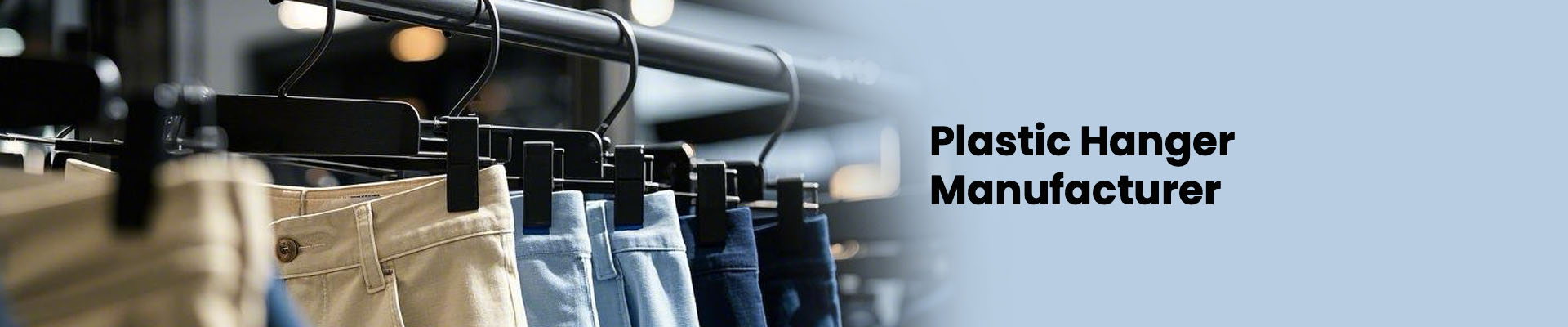
For secondhand clothing retail, Adult Plastic Hangers, bottom hangers with clips, child hangers, and size markers help staff arrange garments quickly and make the selling area easier for customers to browse.
Why Shoppers Should Wash After Buying
Secondhand clothing may have been stored in closets, garages, donation bags, warehouses, or transport cartons. Even if it looks clean, washing helps remove dust, odor, and unknown residue.
For delicate garments, follow the care label. Some items may need hand washing, gentle machine washing, steaming, or dry cleaning.
Shoes, bags, hats, and accessories should also be cleaned according to material.
Display Quality Matters in Thrift Retail
A thrift store does not only sell low-cost clothing. It also sells trust. If clothes are crowded, wrinkled, or hanging on mismatched weak hangers, customers may feel the items are less valuable.
For thrift chains, vintage stores, donation centers, and resale platforms, hanger quality affects store presentation. Strong plastic clothes hangers can help coats, dresses, shirts, and pants stay visible and organized.
Our factory supplies plastic clothes hangers, top hangers, bottom hangers, Lingerie Hangers, shoe hangers, towel hangers, child hangers, size markers, security tags, garment packaging bags, and custom hang tags. These products support resale sorting, retail display, stock preparation, and garment handling.
For export quality plastic hanger orders, buyers can confirm size, color, hook type, clip type, logo, and carton packing before production.
Handling Donated Children’s Clothes
Children’s clothing often needs extra checking because sizes change quickly and garments may show more wear. Small stains, loose buttons, broken snaps, and stretched collars should be inspected carefully.
Child hangers help thrift stores display baby and children’s clothes without stretching the shoulders. They also make size separation easier when used with proper markers.
For secondhand children’s clothing sections, smaller hangers make the rack look more professional.
Practical Advice for Thrift Stores
A thrift store can improve clothing presentation without washing every item by using clear sorting rules, removing poor-quality donations, steaming selected pieces, replacing broken hangers, and organizing racks by size and category.
Packing supplies are also useful for backroom operations. Rubber bands, garment bags, Shrink Wrap Tape, custom labels, and hang tags help staff manage inventory before items reach the sales floor.
Clear Answer
Thrift stores may wash some clothes, but many do not wash every donated item. Shoppers should wash secondhand clothes after purchase, and stores should focus on inspection, sorting, clean display, and organized storage.
Hanger and Store Display Support
Tell us your store type, clothing categories, hanger sizes, color preference, size marker need, packing supply requirement, and bulk order plan. We can recommend suitable plastic clothes hangers and Garment Accessories for thrift stores, resale shops, laundries, and apparel retailers.
Previous: How To Start A Clothing Store?
Next: How To Store Clothes?