

How To Sew An Elastic Band?
Sewing an elastic band is a core garment-making skill used in waistbands, cuffs, sleeve hems, necklines, and many functional trims. The key to good results is controlling stretch, selecting the correct elastic width for the garment channel or seam, and using stitches that can expand without breaking. When elastic is sewn incorrectly, it often twists inside the casing, creates uneven gathers, or loses rebound after washing. When it is sewn correctly, the garment feels comfortable, sits flat, and keeps consistent elasticity over repeated wear.
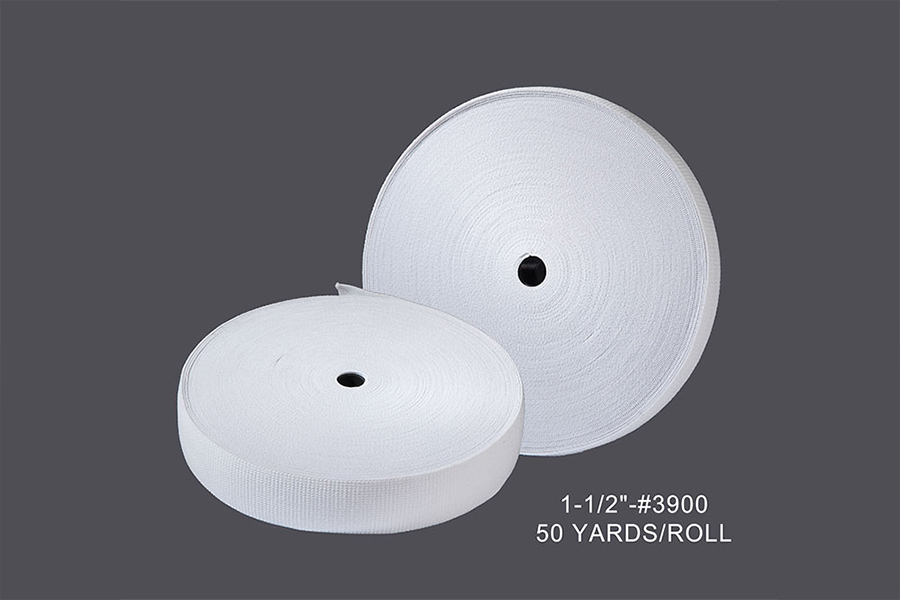
This guide explains practical ways to sew elastic bands for common apparel structures, with detailed steps, stitch choices, and quality checks. The recommendations align with Jinshunda Elastic Tape solutions, including Elastic Tape designed for stable stretch, consistent width, and reliable production use.
Understanding the two main elastic sewing methods
Most elastic band sewing is done in one of two ways: sewing elastic into a casing or sewing elastic directly to fabric. The best method depends on whether you want the elastic hidden, how thick the fabric is, and how much control you need over the final stretch.
Sewing elastic into a casing keeps the elastic hidden and protected. This is common for waistbands in pants, shorts, skirts, and some sleepwear. It offers comfort because the elastic does not contact skin directly, and it is easier to replace if needed.
Sewing elastic directly to fabric is common for underwear, sportswear, swimwear, and stretch cuffs. It gives better control of stretch distribution and reduces bulk because there is no casing fold. It also works well when the elastic itself is part of the garment’s edge structure.
Both methods can produce professional results when elastic width, stitch type, and tension control are handled correctly.
Choosing the right elastic width and length before sewing
Elastic selection affects sewing difficulty and final comfort. If the elastic is too narrow, it can roll and create pressure lines. If it is too wide for the garment channel, it will twist or bunch. Length selection determines how tight the garment will feel and whether the fabric gathers evenly.
A practical approach is to measure the wearing circumference and adjust elastic length based on fabric stretch and intended fit. For stable woven fabrics, elastic usually provides most of the stretch, so the elastic length is shorter than the body measurement. For knit fabrics that already stretch, the elastic can be closer to body measurement because the fabric shares part of the expansion.
Jinshunda Elastic Tape offers consistent width options, which helps keep channels and seams uniform in repeated production, especially when you are making multiple sizes or running batch sewing.
Method 1: Sewing elastic into a casing for waistbands and hems
Casing sewing is preferred when you want a clean outside appearance and a smooth feel against the skin.
Prepare the casing and opening
Create a casing by folding the fabric edge to the inside and stitching along the fold, leaving an opening for inserting elastic. The casing width should be slightly larger than the elastic width so the elastic can slide without twisting. If the casing is too tight, the elastic may roll and the garment will feel uneven when worn.
Insert the elastic and prevent twisting
Attach a safety pin or elastic inserter to one end of the elastic and guide it through the casing. The most common problem here is twisting. To avoid it, keep the elastic flat as it travels and check the orientation before the ends meet.
Join elastic ends securely
Overlap the elastic ends and stitch them together using several rows of stitching. A strong join is important because this seam takes repeated stretch during wear. Sewing a box shape or multiple parallel rows increases reliability and helps prevent separation after washing.
Close the casing and distribute gathers
After joining the elastic, pull the casing fabric to distribute gathers evenly, then stitch the casing opening closed. A professional-looking casing waistband is one where gathers are uniform and the elastic can stretch freely inside without snagging.
Method 2: Sewing elastic directly onto fabric for stretch garments
Direct sewing is common when elastic is visible or when you need strong stretch recovery at the edge.
Mark quarter points for even stretch
Uneven stretch is the main reason elastic edges look wavy or uncomfortable. The standard technique is to mark the elastic and fabric edge into equal sections, often quarters. This ensures that when you stretch the elastic to fit the fabric, the tension is distributed evenly around the entire circumference.
Use a stretch-friendly stitch
Elastic must be sewn with stitches that expand. A zigzag stitch is widely used because it stretches with the elastic. A three-step zigzag is often chosen when you want more durability and smoother stretch behavior because the stitch covers more thread path.
Control tension during stitching
When sewing, stretch the elastic to match the fabric length between the marked points, but do not stretch the fabric unnecessarily. Stretching the fabric along with the elastic can cause rippling and edge distortion. The goal is that the elastic provides the tension, while the fabric lies smoothly once relaxed.
Optional fold-over for a clean finish
For underwear or neat edges, elastic is sometimes sewn once, folded inward, and sewn again. This creates a smooth edge, hides raw fabric, and improves comfort. The second stitch line locks the elastic position and reduces flipping during wear.
Machine settings and needles that help elastic sewing quality
Elastic sewing quality improves when the machine setup matches the material thickness and stretch behavior.
Needle choice should match fabric type. Knit fabrics often sew better with a ballpoint needle because it reduces snagging and skipped stitches.
Thread should be consistent and suitable for stretch seams. A stable thread helps the stitch maintain elasticity without snapping under tension.
Presser foot pressure and stitch length affect puckering. If the fabric puckers, adjusting stitch length and controlling feed can help the seam lie flatter.
These adjustments matter more when sewing elastic for items that experience frequent stretching, such as waistbands and cuffs.
Common elastic sewing problems and how to fix them
Elastic twists inside a casing
This usually happens when the casing is too wide, the elastic is too narrow, or the elastic was inserted twisted. The solution is to match casing width closely to elastic width, and stitch along the casing edge if needed to keep elastic stable.
Wavy or rippled edge after sewing
This often happens when the fabric is stretched during sewing. Use quarter-point marking and stretch only the elastic, not the fabric, as you stitch. Adjust stitch length if the seam is overly tight.
Stitches breaking when stretched
This indicates the stitch type is not stretch-friendly or stitch width is too narrow. A zigzag or three-step zigzag usually reduces this problem because it allows the seam to expand.
Elastic feels stiff or uncomfortable
This can happen when the elastic width is too narrow for the garment pressure area or when the elastic is sewn too tightly. Choosing a suitable width and distributing tension evenly improves comfort significantly.
Elastic selection overview for apparel manufacturing
The table below summarizes how elastic width and structure relate to common garment parts.
| Garment area | Typical elastic goal | What to prioritize in elastic tape |
|---|---|---|
| Waistband | Stable fit without rolling | Consistent width and rebound |
| Cuffs and hems | Controlled closure and comfort | Soft feel and stretch recovery |
| Necklines | Gentle hold and shape retention | Stable elasticity and smooth edges |
| Underwear edges | Comfort with frequent stretch | Durable stretch-friendly structure |
When elastic tape maintains consistent width and rebound across batches, production sewing becomes more predictable and garment fit becomes more consistent.
Why Jinshunda elastic tape supports stable sewing results
For sewing and manufacturing, elastic performance must remain consistent after repeated stretch, washing, and daily wear. When elastic varies in width or rebound, it increases defect rates, causes uneven gathers, and makes fit inconsistent across sizes.
Jinshunda provides Elastic Tape designed for apparel production needs, supporting stable stretch behavior and uniform width. This helps garment makers maintain consistent sewing quality and reduce rework in waistbands, cuffs, hems, and other elastic-driven structures.
Conclusion
To sew an elastic band well, you need the correct method for the garment structure, the right elastic width for the channel or seam, and stretch-friendly stitches that do not break under tension. Casing sewing works well for hidden elastic waistbands and hems, while direct sewing provides stronger control for stretch edges and functional trims. Marking equal sections, controlling tension, and choosing appropriate stitch types are the keys to professional results.
For garment makers who want consistent elastic width and reliable rebound for repeated production, Jinshunda offers practical options through its Elastic Tape range.