

How To Make Disposable Food Containers?
Disposable Food Containers are manufactured through controlled forming processes that turn food-grade raw materials into consistent, stackable, leak-resistant packaging. Whether the final product is used for takeaway meals, meal prep, catering, or supermarket deli packaging, the production goal is the same: stable structure, safe food contact, reliable sealing performance, and efficient mass production. Making disposable food containers is not only about shaping plastic. It involves material selection, compounding, forming, trimming, inspection, and packaging controls that keep every batch consistent.
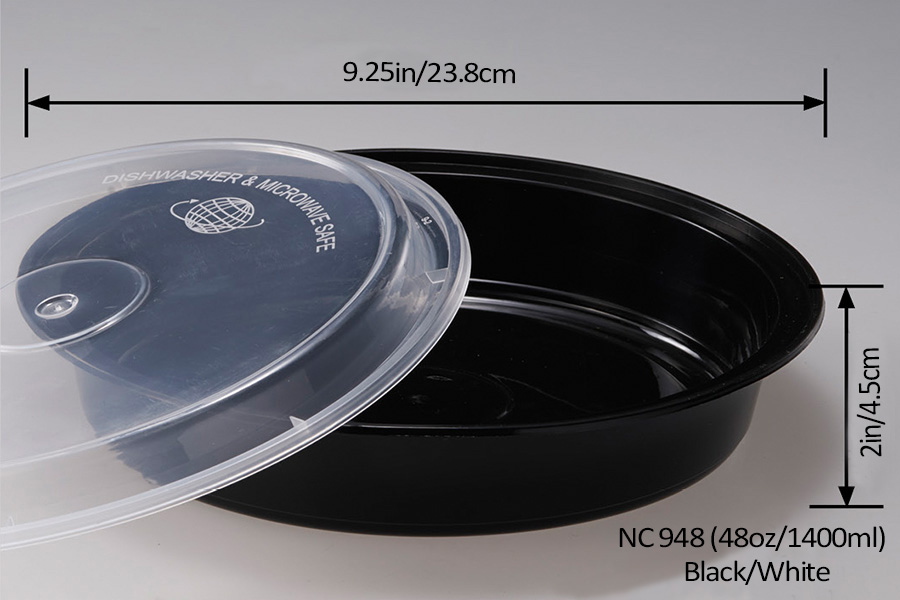
This article explains how disposable food containers are typically made in an industrial setting, what quality points matter most, and how Jinshunda supports buyers with stable supply and export-ready service. Product reference is Jinshunda’s Disposable Food Containers.
Common materials used to make disposable food containers
The manufacturing route depends heavily on the container material. Most disposable food containers in global markets fall into two production categories: plastic forming and fiber molding.
Plastic containers
Plastic containers are typically made from food-grade polymers selected for clarity, rigidity, heat tolerance, and sealing behavior. Material selection affects whether the container is better suited for cold foods, hot foods, microwaving, or oily dishes. For example, a container intended for hot meals needs better heat resistance and dimensional stability than one used for salad.Fiber-based containers
Fiber containers are often made from molded pulp or similar fibers. The process differs from plastic because it involves wet forming, drying, and surface treatment to achieve oil resistance and structural strength.
For buyers, selecting the right material is not only a compliance decision. It is also a performance decision that impacts leakage risk, stacking stability, and customer experience.
Main industrial methods for making disposable food containers
Most disposable food containers are made by one of these forming methods, chosen based on container type, wall thickness, and output requirements.
Thermoforming
Thermoforming is one of the most common methods for plastic disposable containers. It uses heated plastic sheets that are shaped into molds by vacuum, pressure, or both.
Sheet extrusion or sheet supply
A plastic sheet is prepared at controlled thickness. Thickness stability matters because it affects container rigidity and the consistency of lid fit.Heating zone control
The sheet is heated to a controlled forming temperature. Uneven heating can create thin areas, weak corners, or warping.Vacuum and pressure forming
The softened sheet is drawn into the mold cavity. Mold design determines corner sharpness, stacking geometry, and bottom stiffness.Trimming and punching
After forming, the container edges are trimmed to exact dimensions. Accurate trimming matters for sealing, lid matching, and consistent stacking.
Thermoforming is widely used because it supports high-speed output and consistent appearance.
Injection molding
Injection molding is used for thicker containers, specialized shapes, or containers requiring stronger structural features.
Plastic melting and injection
Plastic pellets are melted and injected into a precision mold cavity under pressure.Cooling and ejection
Cooling time must be controlled to avoid shrink warping. Warping affects lid fit and stacking.Gate trimming and surface inspection
After ejection, gate points are trimmed and checked for sharp edges or defects.
Injection molding can produce strong containers but generally has higher tooling cost and is typically used when the design benefits from molded details.
Molded pulp forming
Molded pulp containers are made from fiber slurry. The main steps include forming, pressing, drying, and finishing.
Pulp preparation
Fiber slurry is mixed to target density and consistency.Wet forming into molds
A vacuum draws the slurry into a mold, shaping the container.Pressing and drying
The container is pressed for strength and dried to reduce moisture.Surface treatment
If oil resistance or water resistance is needed, surface coating or treatment is applied.
Key production steps for disposable plastic food containers
Even when the forming method is clear, the quality outcome depends on how well each step is controlled.
Material input control
Raw material must meet food-contact requirements and be processed consistently. Variation in material quality can cause brittleness, odor, or inconsistent transparency.Mold design and venting
Mold geometry controls stacking stability and corner durability. Good venting helps avoid thin weak points and improves detail definition.Thickness distribution management
Corners and bottoms are the most stressed areas during carrying and stacking. A well-made container keeps thickness distribution balanced so it does not crack at corners or flex excessively at the base.Trimming precision
The rim and flange are critical zones. They determine lid fit, sealing reliability, and whether the container feels sharp or smooth during handling.Cooling and stabilization
If containers are stacked too early while warm, they can deform, causing poor stacking and inconsistent lid engagement.
What quality checks matter most for buyers
Disposable food containers are used in fast-paced environments. The quality checks should match real usage.
Dimensional consistency
Containers must nest and stack reliably. Inconsistent dimensions cause jams on packing lines and weak stacking stability.Lid fit and seal behavior
For takeout and delivery, lid engagement must be stable under vibration and movement. The container rim must match the lid profile accurately.Leak resistance
Leak performance depends on rim design, lid fit, and material stiffness. Containers used for soups, sauces, or oily foods need stronger sealing behavior.Heat performance
If containers are used for hot food or reheating, they must hold shape without warping. This is a material and thickness distribution issue.Odor control and cleanliness
Food packaging should not introduce odor. Production and storage cleanliness matter, especially for export supply.
Performance matching guide for different food uses
| Food use scenario | Container priority | Why it matters |
|---|---|---|
| Hot meals | Heat stability and rigidity | Prevents warping and lid loosening |
| Soups and sauces | Rim seal precision and leak resistance | Reduces spills during delivery |
| Oily foods | Surface resistance and structure | Prevents softening and seepage |
| Meal prep storage | Stack stability and freezer behavior | Supports storage efficiency |
| Retail deli display | Appearance consistency and clarity | Improves shelf presentation |
This helps buyers choose the right container configuration based on real operating conditions.
How Jinshunda supports disposable food container buyers
Many buyers do not only need a container. They need consistent supply, export-ready packaging, and stable product performance across repeat orders. Jinshunda provides disposable food containers as part of its product offering, supporting buyers with manufacturing consistency and bulk supply capability. Jinshunda also supports customer requirements for model selection, packaging coordination, and repeat-order consistency for B2B distribution and project-based procurement.
You can view Jinshunda’s container range here: Disposable Food Containers.
Conclusion
Disposable food containers are made through industrial forming processes such as thermoforming, injection molding, or molded pulp forming. The final performance depends on material selection, thickness stability, mold design, trimming precision, and quality inspection focused on stacking, lid fit, leak resistance, and heat performance. When these steps are controlled, containers deliver reliable real-world use for takeaway, catering, and retail packaging.
Jinshunda supports buyers with stable supply and product options in Disposable Food Containers, helping customers match container performance to different food packaging needs.