

Are Plastic Hangers Bad for Clothes?
plastic hangers are not automatically bad for clothes. In many closets and retail settings, they work well for everyday garments. Most “hanger damage” comes from using the wrong hanger shape or size for the fabric and garment weight, or from low-quality hangers with sharp edges, weak arms, or poor surface finish. When a plastic hanger matches the garment’s structure and your storage habits, it can help keep clothing neat, reduce wrinkles, and prevent shoulder distortion.
This article explains when plastic hangers can cause problems, which clothes are most at risk, and how to choose the right hanger design for adult and children’s wardrobes. It also includes practical selection tips using Jinshunda’s product ranges as reference points: adult plastic hangers and child hangers.
How Clothes Get Damaged on Hangers
Clothes don’t “know” whether the hanger is plastic or not. They respond to pressure, shape, friction, and time. The hanger becomes a problem when it concentrates load on a small area or forces the garment into an unnatural shape.
Common hanger-related damage patterns include:
Shoulder bumps and dimples
Usually caused by narrow, sharply angled arms that press into the garment’s shoulder seam. Knit tops and softer fabrics show this fastest.Stretching and neckline distortion
Happens when heavy garments hang from thin hanger arms, or when tops are pulled off the hanger aggressively. Wet or damp fabric stretches much more easily.Slip and fall damage
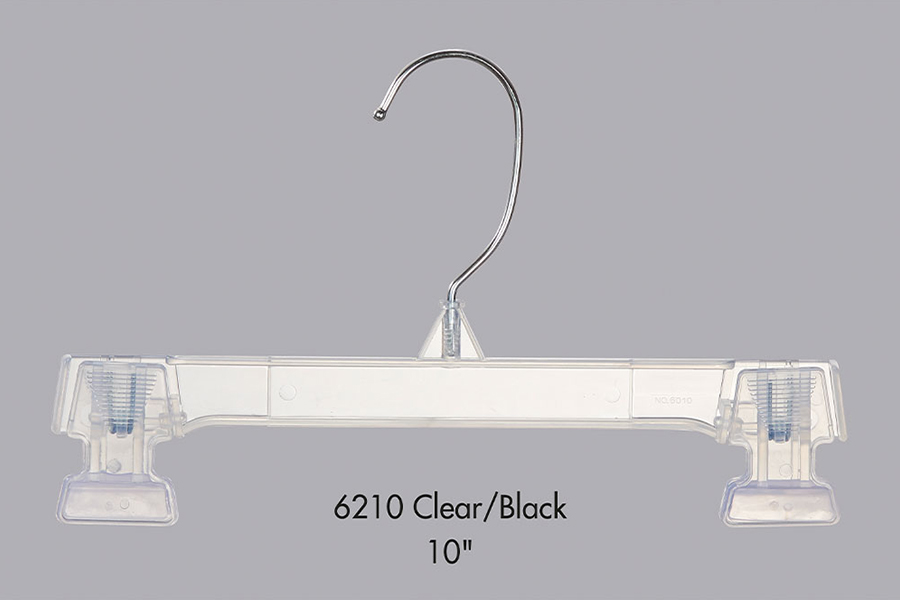
Smooth plastic can let silky or wide-neck garments slide off, leading to floor dust, wrinkles, and sometimes seam strain if the garment catches on something while falling.Creases from pant bars or clips
Strong pressure points can leave long-lasting marks on delicate fabrics. This is not unique to plastic, but the wrong bar design makes it worse.Snagging and abrasion
Rough edges, molding lines, or burrs can snag knits and delicate weaves. This is mainly a quality and finishing issue.
The key point is that “plastic hanger damage” is usually design mismatch plus quality mismatch, not the material alone.
When Plastic Hangers Can Be Bad for Clothes
Plastic hangers become a risk in specific situations. If you recognize these patterns, you can fix the issue by switching hanger type or selecting a better-designed plastic hanger.
Heavy garments on lightweight hangers
Coats, thick hoodies, heavy denim, and wet laundry can overload thin hangers. The arms may flex, creating pressure points that deform shoulder structure over time.Delicate knits stored long-term
Sweaters and fine knits can stretch from their own weight. Even a well-shaped hanger may not be ideal for long storage. Folding is often safer for heavy knits.Garments with wide necklines or slippery fabric
Satin, silk blends, and wide-neck tops can slide off smooth hangers. Repeated falls create wrinkles, lint, and edge stress at seams.Poorly finished hangers
Low-quality plastic can be brittle, warp over time, or have sharp molding seams that catch threads. A small surface flaw is enough to ruin a knit.
If your closet includes many knitwear pieces, delicate dresses, or heavy outerwear, the “right plastic hanger” is less about plastic vs non-plastic and more about strength, contour, and surface quality.
When Plastic Hangers Are a Good Choice
Plastic hangers can be an excellent option when you pick a design that supports the garment correctly. They are widely used because they can be consistent in shape, easy to clean, and practical for everyday wardrobes.
Plastic hangers typically perform well for:
Shirts, blouses, and lightweight jackets
A properly contoured shoulder keeps collars and shoulder seams aligned.Everyday T-shirts and casual tops
With the right width, they prevent shoulder pinch and keep items organized.Kids’ clothing
Correctly sized hangers help prevent shoulder stretching and keep small garments from slipping.High-turnover closets and daily use
When clothes are rotated frequently, the risk of long-term pressure distortion drops, especially if hanger size and contour match the garment.
If you need a practical, wardrobe-wide solution, starting from a well-organized range such as Jinshunda’s adult plastic hangers and child hangers helps you choose hangers by clothing type rather than using one hanger for everything.
How to Choose the Right Plastic Hanger for Adult Clothes
Instead of asking whether plastic is bad, ask whether the hanger fits the garment. These selection rules reduce most hanger-related damage immediately.
Key features to check:
Correct hanger width
The hanger ends should support the garment near the shoulder seam, not poke outward past the seam and not sit too far inward. Too narrow creates shoulder dents. Too wide can stretch the sleeve cap area.Contoured shoulder shape
Curved arms distribute pressure across a wider area. Straight or sharply angled arms can create a single pressure line.Arm thickness and stiffness
Thin arms concentrate load. Stronger arms reduce flexing, which keeps the shoulder line stable for heavier garments.Non-slip design where needed
Notches or textured surfaces help camisoles and wide-neck garments stay in place without pulling.Smooth surface finish
A clean, well-finished surface reduces snag risk and helps garments slide on and off without friction damage.
A practical pairing guide:
| Clothing type | Hanger shape to prioritize | What it prevents |
|---|---|---|
| Dress shirts, blouses | Wider, contoured shoulders | Shoulder dents, collar distortion |
| Lightweight jackets | Stiffer arms, supportive contour | Shoulder sag, shape collapse |
| Camisoles, wide-neck tops | Non-slip features or notches | Slipping, falls, strap stretch |
| Pants and skirts | Proper bar or clip design | Crease marks, fabric pinch |
| Heavy outerwear | Heavy-duty structure | Arm flex, shoulder deformation |
For a closet that needs consistent, everyday performance across multiple garment categories, use the selection logic above while browsing a structured assortment like Jinshunda’s adult plastic hangers.
How to Choose the Right Hanger for Children’s Clothes
Children’s garments are smaller, lighter, and easier to deform if the hanger is too large. Using adult hangers for kids is one of the fastest ways to create shoulder bumps and stretched necklines.
What matters most for kids:
Proper size scaling
The hanger should match the child’s shoulder width so weight is supported evenly. Oversized hangers push fabric outward and distort the shoulder line.Gentle shoulder contour
Kids’ clothes often use soft fabrics. A smooth, rounded shoulder shape helps maintain the garment’s silhouette.Secure hold for small items
Smaller neck openings and lighter fabrics can slide more easily. Notches or shape features can help reduce slipping without pulling.Safe, smooth edges
Smooth finishing reduces snag risk on delicate fabrics and keeps garments looking newer longer.
When you separate hangers by age range and garment type, you reduce daily friction and keep clothing looking neat in drawers and closets. Jinshunda’s child hangers category is a practical reference point for organizing kids’ wardrobes by size and use.
Habits That Matter as Much as the Hanger
Even the best hanger can’t protect clothing if storage habits create constant stress. These simple changes help prevent stretching and distortion with any hanger material.
Do not hang heavy knits long-term
Fold sweaters and heavy knitwear whenever possible. If you must hang them, use a method that reduces shoulder load and avoid long storage periods.Avoid hanging damp clothes
Fabric stretches more when wet. Let items dry fully before hanging for long-term storage.Leave some space between hangers
Tight packing compresses shoulders and creates friction marks, especially on delicate fabrics.Remove garments gently
Pulling a narrow neckline over hanger shoulders can stretch the collar. Slide garments off carefully to keep collars and seams stable.Clean hangers occasionally
Dust, oils, and residue can transfer to light fabrics. A quick wipe keeps white clothing cleaner and helps avoid dull marks.
Conclusion
Plastic hangers are only harmful when they are too narrow, too weak, poorly finished, or mismatched to garment type and storage duration. For everyday tops, shirts, and many children’s clothes, well-designed plastic hangers can keep items organized and presentable with low maintenance. The most reliable approach is to choose hangers by clothing weight and shoulder width, prioritize smooth finishing and supportive contour, and adjust storage habits for heavy knits and delicate fabrics.
If you want to build a hanger setup that supports both adult and kids wardrobes without guesswork, start by selecting designs intentionally from Jinshunda’s adult plastic hangers and child hangers ranges, then apply the pairing rules in this guide to reduce shoulder dents, stretching, and slipping over time.