
How To Hang Pants On Hangers With Clips?
Hangers with clips are one of the most reliable ways to store pants because they keep garments vertical, reduce wrinkling, and prevent sliding that can happen with smooth bars. When used correctly, clip hangers also help pants hold their shape, keep creases clean, and make it easier to see and access items in a closet or retail display. The key is choosing the right clip position and tension for the fabric, then using a consistent method that avoids clip marks and hanger distortion over time.
This guide explains how to hang different types of pants on hangers with clips, how to prevent creases and clip dents, and how to build an efficient closet routine using clip hangers. For product reference, see the Jinshunda bottom hangers.
Choose The Right Clip Hanger For The Fabric And Weight
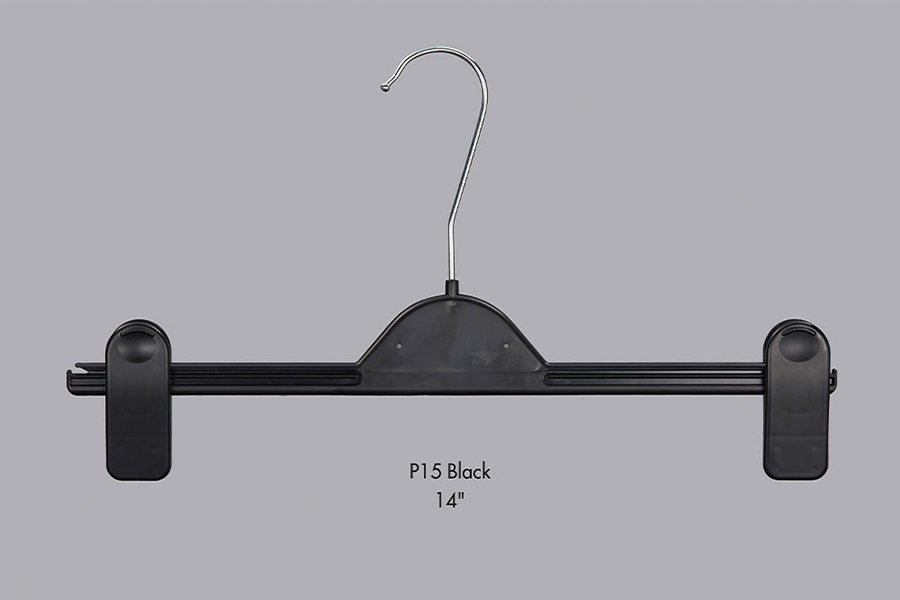
Before you hang pants, make sure the hanger matches the garment. Clip strength that is perfect for denim can damage lightweight trousers, while weak clips can let heavy pants sag and slip. A good hanger should have stable clip springs, smooth contact pads, and an anti-slip surface where the fabric touches.
For delicate fabrics such as linen blends, lightweight wool, or dress pants with soft finishing, look for clips with wider contact pads. Wider pads distribute pressure and reduce the chance of leaving a pinch mark. For heavier fabrics such as denim, cargo pants, or workwear, choose clips with firmer springs and a stronger frame so the hanger stays straight under load. For slippery fabrics such as satin-like materials or certain uniform fabrics, anti-slip pads and a clip design that grips without sharp edges are more important than high spring force.
Clip position also matters. Adjustable clips allow you to match the width of the waistband or leg opening so the pants hang straight. If clips are too close together, the waistband bunches and creates wrinkles. If clips are too far apart, the fabric pulls diagonally and can distort the shape.
When you want consistent display and storage, standardizing hanger type across your closet or project setup reduces variation. Using the same clip style makes garments hang at a similar height and keeps the visual line clean.
Step By Step: Hanging Pants By The Waistband With Clips
Hanging by the waistband is the most common and practical method because it keeps pants straight, reduces folding lines, and allows airflow through the leg area.
Start with pants fully buttoned or zipped. This stabilizes the waistband and prevents stretching.
Hold the hanger horizontally and slide the clips wider than the waistband width.
Place the first clip at one side of the waistband, gripping the fabric at the reinforced waistband area rather than a thin seam edge.
Place the second clip at the opposite side of the waistband, keeping the waistband level.
Lift the hanger to check alignment. The legs should fall straight and the side seams should hang evenly.
Adjust clip spacing if the pants tilt. Small adjustments can eliminate twist and reduce wrinkling.
For dress pants, aim to clip near the side seams of the waistband rather than the very front. This helps maintain a clean front panel and supports the natural drape. For jeans, clipping near the belt loop zones can help the waistband hold shape without stretching.
If you want sharper crease control, smooth the front panels with your hand before hanging. This ensures the fabric falls in a controlled line rather than drying into a wrinkled position after wear or laundering.
Alternative Methods For Different Pant Styles
Not all pants should be hung the same way. Fabric structure and design details influence the best method.
For pleated trousers, hanging by the waistband is still preferred, but alignment is critical. Make sure pleats are positioned symmetrically before clipping. If pleats hang twisted, they can set into the fabric and become harder to press later.
For wide-leg pants, place clips slightly wider and ensure the legs do not overlap heavily. Overlapping layers can trap moisture in humid environments and can create deeper wrinkles. If the pants are very wide, you can clip slightly inward from the waistband corners to prevent the outer edges from flaring.
For soft knit pants, hanging by the waistband can cause stretching over long storage periods. In that case, a fold-over method may be better. Fold the pants once over the hanger bar area and clip through the fold, using gentle pressure. This reduces stretching but introduces a fold line, so it is best for casual knits rather than formal wear.
For shorts, clip the waistband the same way as pants, but keep clip placement symmetrical so the garment does not rotate and show unevenly in storage.
How To Prevent Clip Marks And Wrinkles
Clip marks are the main complaint people have with clip hangers, but they are preventable with the right technique. Clip marks happen when pressure is too concentrated or when the fabric is clipped at a thin edge. They can also happen when pants are left clipped for long periods without movement, especially in fabrics that hold shape easily.
To reduce marks, clip at reinforced areas such as waistband thickness zones rather than thin corners. Use clips with smooth pads and avoid clipping directly on delicate seams. For very delicate fabric, placing a small piece of thin cloth between clip pad and garment can reduce indentation. If clip tension is adjustable, choose moderate pressure rather than maximum force.
Wrinkling is often caused by twisting rather than folding. After clipping, check if the inseams align and the legs hang straight. If the fabric twists, adjust clip spacing or reposition slightly closer to the side seams. Hanging pants in a crowded closet can also create wrinkles. Leave space between hangers so pants can hang without compression.
Moisture increases wrinkles. Pants should be fully dry before storage. If pants are slightly damp from steaming or laundering, they will set into creases where the fabric touches other garments.
Quick Guide Table: Best Clip Positions For Common Fabrics
Use the table below as a reference for clip placement and handling tips.
| Pant Type | Best Hanging Method | Clip Placement | Key Tip |
|---|---|---|---|
| Dress trousers | Waistband hang | Near side seams | Smooth front panels before hanging |
| Jeans and denim | Waistband hang | Near belt loop zones | Use firmer clips for weight stability |
| Wide-leg pants | Waistband hang | Slightly wider spacing | Keep legs from overlapping too much |
| Pleated trousers | Waistband hang | Symmetric near side seams | Align pleats before clipping |
| Knit lounge pants | Fold and clip | Clip through folded layer | Avoid long-term waistband stretching |
| Shorts | Waistband hang | Symmetric spacing | Keep waistband level to prevent rotation |
Conclusion
Hanging pants on hangers with clips is simple when you follow a consistent method: choose a hanger with the right clip strength, clip the waistband evenly, adjust spacing to eliminate twist, and avoid clipping delicate fabric at thin edges. With the right placement and gentle handling, clip hangers reduce wrinkles, keep pants visible and organized, and help garments hold their shape over time.
If you are unsure which clip hanger style fits your pants fabric mix, or you need guidance on selecting clip strength, pad type, and sizing for your wardrobe or project needs, contact us anytime. Jinshunda provides product guidance and support for our bottom hangers, and we can help you choose a hanger solution that performs well for daily use and long-term storage.