
How To Hang Pants On Hangers With No Wrinkles?
Hanging pants without wrinkles is not only about the hanger style. It is a combination of fabric preparation, clip or bar placement, seam alignment, and closet spacing. Most wrinkles that appear on hanging pants come from twisting at the waistband, uneven weight distribution, pressure points from clips, or overcrowding that compresses fabric while it is still warm or slightly damp. With a repeatable method, you can keep pants smooth, preserve creases, and reduce ironing time.
This guide explains how to hang different types of pants with minimal wrinkling using practical techniques that work for everyday wardrobes and organized storage setups. For hanger options, see Jinshunda bottom hangers.
Start With The Right Hanger And Fabric Readiness
A wrinkle-free result starts before you touch the hanger. Pants should be fully dry and cooled down after washing, steaming, or wearing. Fabric that is warm, humid, or slightly damp sets into folds and pressure lines faster. If you just removed pants from a dryer or used a steamer, let them rest flat for a few minutes so the fibers stabilize.
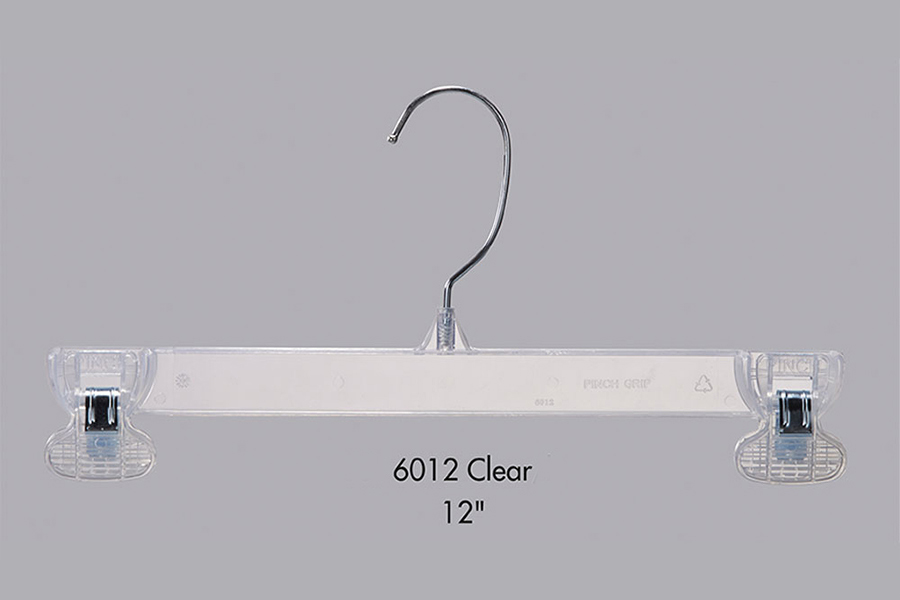
Hanger choice matters because different pants behave differently. For formal trousers and lightweight fabrics, a clip hanger with smooth pads or a wide bar hanger reduces pressure lines. For heavy denim, a stronger frame prevents sagging that creates diagonal stress wrinkles. For slippery fabrics, an anti-slip surface reduces shifting that causes twisting.
Also consider hanger width. If the hanger is too narrow for the waistband, the fabric bunches inward and forms wrinkles at the top. If it is too wide and clips pull outward too aggressively, the waistband can distort and create tension folds down the leg. Adjustable clip spacing helps match the hanger to the garment shape, which is one of the most effective ways to prevent twist wrinkles.
Hang Pants By The Waistband For The Cleanest Drape
For most pants, hanging by the waistband produces the smoothest result because the legs can hang freely with gravity, and you avoid fold lines across the thigh. The key is alignment.
Start by buttoning or zipping the pants. This keeps the waistband stable. Hold the pants by the waistband with both hands and shake them gently once to release small folds. Then smooth the front and back panels with your hands, following the fabric direction.
Place the clips or grips near the side seams of the waistband instead of the very front corners. Side seam placement helps the pants hang straight and prevents the front panel from being pulled into a shallow curve that creates ripples. After clipping, lift the hanger and check whether the inseams hang evenly. If one leg twists forward, adjust one clip slightly inward or outward until the legs fall straight.
If the pants have a defined center crease, align the crease before hanging. Run your hand down the crease line on each leg so the fabric falls in the intended shape. When the crease is aligned at the top, gravity helps maintain it rather than breaking it.
For clip hangers, avoid clipping the waistband at thin edges. Clip through reinforced waistband thickness zones to reduce dents and prevent the waistband from curling.
Use A Fold-Over Method For Fabrics That Stretch Or Show Clip Marks
Some fabrics wrinkle less when folded once over a bar than when clipped. Knit pants, soft lounge pants, and some delicate dress fabrics can show clip marks or stretch at the waistband during long storage. In those cases, fold-over hanging can be better if done carefully.
Lay the pants flat and fold them along the natural crease lines so both legs align. Then drape the pants over the hanger bar at the knee area or mid-thigh area, depending on length. The goal is to avoid a fold directly across the most visible front panel. For dress pants, folding at the knee area can be less noticeable than folding at the thigh.
After draping, smooth the fabric down both sides so the layers lie flat. If your hanger uses clips, you can clip lightly over the folded edge to prevent sliding, but keep tension moderate and use padded clips to avoid pinch marks.
Fold-over works best when the bar is wide or coated and when the closet has enough space so the folded edge is not pressed by other garments.
Control The Three Biggest Causes Of Wrinkles In Hanging Pants
Wrinkles on hung pants usually come from three issues. Fixing these has a bigger impact than changing cleaners, sprays, or extra accessories.
The first cause is twisting. Twisting happens when the waistband is clipped unevenly or when one clip is closer to the center than the other. It also happens when the pants are hung slightly off-balance. Always check that side seams are vertical and the legs hang parallel. A quick visual check after hanging can prevent hours of ironing later.
The second cause is pressure lines. Pressure lines come from tight clips, narrow hanger bars, or clipping thin fabric. Use padded clips or wider bars and clip at thicker sections. If you need to store delicate trousers long-term, reduce clip pressure and rotate the clip position occasionally.
The third cause is compression. Even perfectly hung pants will wrinkle if the closet is packed. Fabric needs air and space to hang naturally. If hangers touch tightly, pants develop side compression creases, especially near the thigh and knee where fabric is layered. A small spacing improvement often reduces wrinkles more than any cleaning or spraying method.
If you are building a consistent storage system for multiple pants, using the same hanger type and keeping uniform spacing creates a stable result across the closet.
Wrinkle-Free Hanging Checklist By Pant Type
The table below shows the best no-wrinkle approach for common pant categories and the specific detail that makes the difference.
| Pant Type | Best Hanging Method | Placement Detail | Main Wrinkle Risk | Best Prevention |
|---|---|---|---|---|
| Dress trousers | Clip waistband | Clips near side seams | Twist and ripple lines | Align creases before hanging |
| Pleated trousers | Clip waistband | Keep pleats symmetrical | Pleats shifting | Smooth pleats, clip evenly |
| Jeans and denim | Clip waistband | Firm clips, stable frame | Sagging folds | Use strong hangers, widen clip spacing |
| Wide-leg pants | Clip waistband | Slightly wider clip spacing | Overlap creasing | Keep legs separated, leave space |
| Knit lounge pants | Fold-over bar | Fold at knee zone | Waist stretching | Avoid long-term waistband clipping |
| Delicate fabric pants | Fold-over or padded clips | Minimal pressure points | Clip dents | Use padded clips or wide bars |
If your closet setup includes different pant styles, a mixed method is often best. Use clip waistband hanging for structured trousers and denim, and fold-over hanging for knits and delicate fabrics that show marks.
Closet Setup Tips That Keep Pants Smooth Longer
A wrinkle-free hang also depends on the storage environment. Airflow and stability matter. If the closet is humid, fabric can hold moisture and develop soft wrinkles even when hung correctly. Ensure the area is dry and avoid hanging pants in a tight cluster near a humid wall or near a bathroom door where steam can enter.
Hanger height also helps. Pants should hang freely without the hems bunching on the floor or resting on shelves. When hems touch the floor, the legs bend upward, creating a curve that can form a crease line near the calf. If your closet rod is low, consider shorter hangers or a second rod dedicated to pants.
If you often remove and rehang pants during the week, handle them the same way each time. Quick inconsistent hanging is a common source of wrinkles. A consistent routine prevents twisting and sets a stable drape pattern.
For improved organization, use matching hangers. Mixed hanger thickness and grip styles cause uneven spacing and can compress certain items more than others.
Conclusion
To hang pants on hangers with no wrinkles, focus on alignment and spacing. Hang most pants by the waistband using balanced clip placement near side seams, smooth the panels and align creases before hanging, and prevent twisting by checking that legs fall straight. For knits and delicate fabrics, use a fold-over bar method or padded clips to avoid stretching and pressure marks. Finally, give pants enough closet space to hang freely without compression.
If you want help selecting the best hanger style for your fabric mix, closet dimensions, or storage volume, contact us anytime. Jinshunda provides guidance and product support for our bottom hangers, and we can recommend practical hanger configurations that keep pants looking crisp with less ironing.
Previous: How To Pack Coat Hangers?