

How To Pack Coat Hangers?
Packing coat hangers sounds simple until you are staring at a tangled pile of hooks, sharp edges that snag clothes, and a box that won’t close. Whether you are moving homes, preparing retail fixtures, or organizing storage, the goal is the same: keep hangers straight, prevent scratching and bending, and make them easy to unpack and use again. The best packing method depends on hanger material, quantity, and whether you need them ready for immediate setup or long-term storage.
This guide explains practical, low-mess ways to pack coat hangers, including methods for small moves, large volume packing, and protecting premium finishes. To see hanger styles and material options that are designed for everyday durability and repeat handling, visit Jinshunda top hangers.
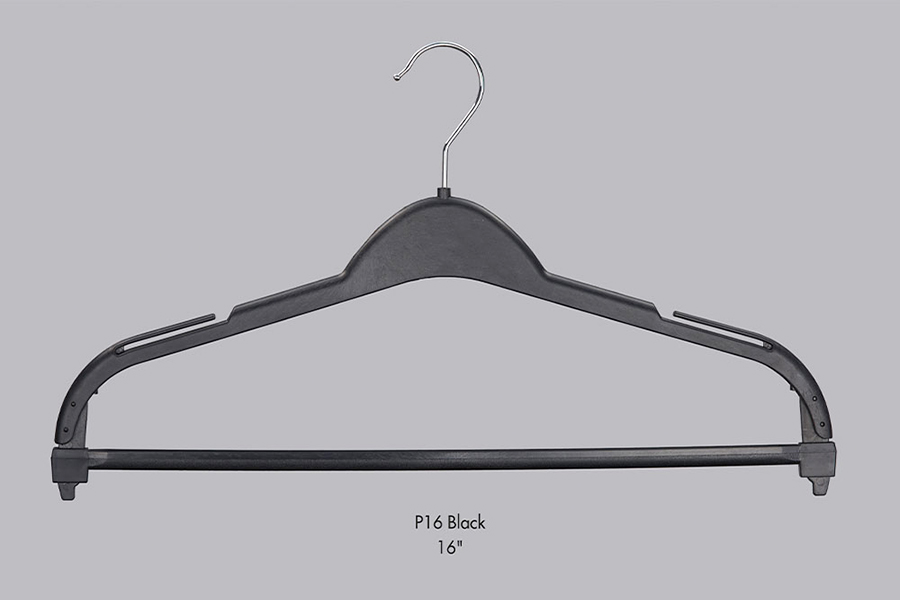
Why Coat Hangers Are Harder To Pack Than They Look
Hangers create three packing problems:
Hook tangling: metal hooks interlock easily and create a knot that wastes time
Shape deformation: thin wire and lower-gauge plastic can bend or warp if compressed
Surface damage: painted, coated, or wood finishes can scratch when hangers rub together
A good packing method prevents these issues while keeping the hangers accessible when you reach the new location.
Choose A Packing Strategy Based On Your Hanger Type
Different hangers behave differently in transit. Before you start, separate hangers into groups.
Common hanger categories:
Wire hangers: light but easy to tangle and bend
plastic hangers: bulkier, can snap if stressed, can warp under heat
Wooden hangers: heavier, prone to scuffs, need surface protection
Velvet or flocked hangers: grip surfaces can pick up dust, require clean wrapping
Metal or aluminum hangers: durable but can scratch other finishes
If you are packing for a project order, grouping by style and size also reduces sorting time at installation.
Essential Packing Materials
You do not need specialized tools, but the right materials make the job faster and cleaner:
Zip ties or twist ties
Stretch wrap or packing film
Rubber Bands for small bundles
Corrugated boxes or wardrobe boxes
Kraft paper or thin foam sheets for finish protection
Labels for hanger type and quantity
Optional: hook covers or small cardboard strips to reduce scratches
If you are packing large volumes, stretch wrap is one of the most efficient materials because it locks bundles without creating adhesive mess.
Best Methods To Pack Coat Hangers For Moving
Method 1: Bundle And Wrap For Fast Packing
This is the most reliable method for most hanger types.
Steps:
Align hangers in the same direction with hooks stacked neatly
Make bundles of 10–25 hangers depending on thickness
Secure the bundle at two points: near the hook neck and at the lower bar or shoulder area
Wrap the entire bundle with stretch film or paper to prevent hook tangling
Place bundles flat in a box and fill gaps with paper to stop shifting
This method prevents tangles and makes hangers easy to distribute in the new space.
Method 2: Use A Wardrobe Box For Immediate Reuse
If you want hangers ready to use right away, wardrobe boxes are the cleanest option.
Steps:
Place a wardrobe box hanging bar securely
Hang bundled sets by the hook or place individual hangers on the bar
Add a light paper wrap around the hanger shoulders if the finish is delicate
Close the wardrobe box and keep it upright during transport
This method is excellent for retail setups and installation crews because it reduces unpack time.
Method 3: Stack Flat For Storage And Long Transit
For long-term storage, flat stacking protects shape.
Steps:
Place hangers in aligned stacks with hooks alternating direction every 10–15 pieces
Insert a sheet of kraft paper between stacks if finishes could rub
Keep the stack height moderate so weight does not deform hangers
Use a rigid box to prevent crushing
Label the box with hanger type and count
This approach is especially useful for wooden and premium plastic hangers.
How To Protect Different Hanger Materials
Wire Hangers
Wire hangers are the easiest to tangle. The key is containment.
Best practice:
Bundle tightly and wrap hooks completely so they cannot interlock
Avoid heavy stacking that bends the wire shape
Plastic Hangers
Plastic hangers can snap at the neck if forced.
Best practice:
Use smaller bundles to reduce stress points
Avoid extreme heat exposure during storage because some plastics warp
Wooden Hangers
Wooden hangers can scratch each other and dent if dropped.
Best practice:
Use paper or foam between layers
Pack in smaller boxes to avoid excessive weight and impact
Velvet Or Flocked Hangers
The flocked surface can collect dust and lint.
Best practice:
Use clean paper wrapping or sealed poly bags around bundles
Keep away from loose packing material that sheds fibers
Packing Coat Hangers With Clothes Still On Them
If you are moving garments on hangers, you can pack both together to save time and reduce wrinkles.
Practical method:
Keep clothes on hangers and group 10–15 garments together
Pull a large garment bag, trash bag, or moving cover over the clothes from the bottom up
Tie or tape around the hook area so the bag stays in place
Place the bundle in a wardrobe box or lay it carefully in a clean box
This method keeps clothing organized and prevents hangers from scattering through the move.
How Many Hangers Per Box?
There is no single perfect number because hanger thickness varies, but these guidelines help prevent crushing and tangling.
| Hanger Type | Suggested Bundle Size | Typical Bundles Per Medium Box | Notes |
|---|---|---|---|
| Wire hangers | 20–30 | 6–10 | Wrap hooks fully to avoid tangles |
| Standard plastic hangers | 10–20 | 4–8 | Avoid heavy stacking |
| Wooden hangers | 8–15 | 3–6 | Use protective paper between layers |
| Velvet hangers | 10–20 | 4–8 | Keep packaging clean and sealed |
If boxes feel heavy or bow at the sides, reduce the quantity. Deformation often comes from overpacking rather than transport distance.
Common Mistakes And How To Avoid Them
Tossing hangers loose into a box
This is the fastest way to create hook knots and scratches.Bundling without wrapping the hook area
Even tied bundles can tangle if hooks are exposed.Overpacking heavy hangers
Wooden hangers can dent each other and split boxes when packed too tightly.Using adhesive tape directly on finished hangers
Tape residue is hard to remove and can damage coatings.Storing hangers in hot environments
Heat can warp plastic and soften some coatings.
Packing For High-Volume Handling And Project Delivery
If you are packing hangers for repeated transport, installation, or bulk distribution, consistency matters.
Recommendations:
Standardize bundle counts, such as 20 per bundle
Use the same wrap style for each batch so crews can identify quantities quickly
Label boxes with hanger style, size, finish, and bundle count
Keep a small “open box” for partial use so sealed cartons remain intact
Consider separating premium finish hangers from standard hangers to avoid rubbing damage
This approach reduces handling time and improves condition at arrival, especially when hangers are part of a broader display or storage solution.
Conclusion
To pack coat hangers efficiently, prevent hook tangling first, then protect hanger shape and finish. Bundling and wrapping is the fastest all-purpose method, wardrobe boxes work best when you want hangers ready for immediate use, and flat stacking is ideal for long-term storage and premium finishes. When you pack by hanger type, control bundle sizes, and avoid overloading boxes, you save time unpacking and keep hangers looking clean and consistent.
To explore hanger styles and material options, browse Jinshunda top hangers. If you want recommendations for packing methods by hanger material, finish, or project quantity, contact Jinshunda for guidance. We can help you choose suitable hanger specifications and provide practical suggestions for efficient handling and storage.