

What To Do With Coat Hangers?
Coat hangers are one of those everyday items that quietly pile up. After a move, a wardrobe refresh, or a busy retail season, you may end up with more hangers than you can store, or the wrong types for your closet system. The good news is that coat hangers are highly reusable. With a little sorting and a practical plan, you can turn excess hangers into better wardrobe organization, cleaner storage, or a more efficient supply for projects that require consistent presentation.
This guide covers smart, realistic ways to use, repurpose, store, donate, or recycle coat hangers. It also explains how to choose the right hanger types for different garments and long-term use. To review durable hanger options for daily closets and project needs, browse Jinshunda top hangers.
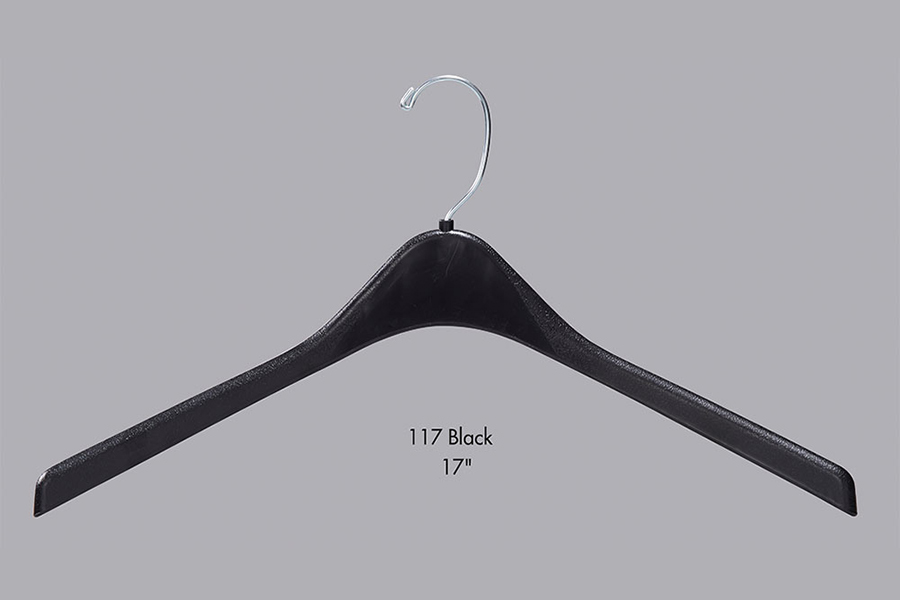
Start With Sorting By Type And Condition
Before deciding what to do with coat hangers, sort them into four quick groups. This prevents wasted time and helps you avoid keeping hangers that damage clothing.
Keep: strong, straight, clean hangers with intact hooks and shoulders
Repair: hangers with minor issues such as loose hook rotation or light surface marks
Donate: clean, usable hangers you do not need, ideally in uniform bundles
Recycle or discard: broken, bent, rusted, or sticky hangers that snag fabric
A simple sorting step also helps you standardize your closet. Uniform hangers reduce visual clutter and make spacing more predictable.
Improve Closet Organization With The Hangers You Already Have
If you have a mixed collection, your easiest upgrade is to assign hangers by garment category and stop using “whatever is available.” This improves garment shape and reduces wrinkles.
Practical allocation:
Shirts and blouses: standard shoulder width, smooth edges to prevent marks
Suits and jackets: thicker shoulders to support structure
Coats: stronger hangers to prevent shoulder collapse
Pants: bar or clip hangers to keep creases controlled
Delicates: non-slip surfaces to prevent sliding
Once you match hanger type to garment weight, you will notice fewer stretched necklines, fewer shoulder dents, and less re-ironing.
Repurpose Coat Hangers For Storage And Home Utility
When you have extras, repurposing can be useful, but it should stay practical and safe. Focus on solutions that reduce clutter or protect items.
Ideas that work well:
Create a quick drying station by hanging air-dry clothing in one zone of the closet
Organize scarves and belts by looping them over hanger bars, then grouping by color or season
Store handbags by hanging straps on sturdy hangers, keeping bags upright and dust-free
Use hangers to separate seasonal clothing in storage boxes with labeled bundles
If you store items long-term, keep hangers clean and dry. Damp storage can cause odor transfer and may damage coatings on some materials.
Use Coat Hangers For Moving And Packing Efficiency
Excess hangers are valuable during moves. The key is avoiding hook tangles and preventing deformation.
Efficient moving practices:
Bundle 10–25 hangers aligned in one direction, then wrap the hook area so it cannot interlock
Use wardrobe boxes if you want garments to stay on hangers for faster setup at the destination
For large volumes, label bundles by hanger type so unpacking is faster and closets stay consistent
Packing hangers correctly reduces time spent untangling and helps keep hangers reusable after the move.
Donate Or Resell Hangers The Right Way
Donation is easiest when hangers are clean, bundled, and predictable. Many organizations prefer hangers in usable condition without rust or strong odor.
Where hangers are often welcome:
Thrift stores and charity shops that process clothing daily
Community shelters that distribute garments
Small local boutiques or pop-up shops that need backroom supplies
For resale, uniform sets perform better than mixed lots. A bundle of identical hangers is more appealing for people organizing a closet, staging property, or setting up a retail rack.
Recycle Hangers Without Guesswork
Recycling depends on material. The most common mistake is putting all hangers into one bin. Separate them first.
| Hanger Material | Typical Recycling Path | Notes |
|---|---|---|
| Metal wire | Scrap metal recycling | Remove paper or plastic sleeves if possible |
| Rigid plastic | Local plastic recycling rules vary | Some programs reject hangers due to resin type |
| Wood | Usually reuse or disposal | Painted or coated wood may not be accepted as clean wood |
| Velvet or flocked | Often not recyclable | Best to reuse if the structure is still strong |
If your local recycling program has restrictions, reuse and donation are usually the most reliable options.
Decide When It Makes Sense To Replace Old Hangers
Sometimes the best solution is not finding another use, but replacing low-quality hangers that cause ongoing problems. Hangers that are bent, rough, or inconsistent can damage clothing, waste closet space, and create a messy look.
Consider replacing when:
Clothing slides off frequently, even with careful hanging
Shoulder dents appear on knitwear and lightweight fabrics
Hangers bend under coats or winter jackets
Hooks rust or coatings peel, staining garments
Closet looks cluttered due to inconsistent sizes and shapes
Upgrading to consistent hangers improves presentation instantly and simplifies daily routines.
Choose The Right Hangers For Long-Term Use
When selecting hangers for a stable, repeatable closet setup, focus on shape support, finish quality, and durability. A well-matched hanger set protects garments and reduces replacements over time.
Selection priorities:
Shoulder geometry that matches garment structure
Smooth edges and stable coatings to protect delicate fabrics
Strong hook and body construction for heavier items
Consistent dimensions for uniform spacing and a cleaner closet line
For closets supporting repeated handling, consistent hangers also make inventory and housekeeping easier.
Bulk Planning For Projects And Large Wardrobes
If you manage apartments, hospitality rooms, retail storage, or wardrobe staging, hangers become a supply item. The goal is predictable quality and easy replenishment rather than one-off purchases.
A simple project approach:
Standardize 2–3 hanger types that cover most garments
Order in consistent quantities so spare stock remains compatible
Label storage cartons by type and finish for faster restocking
Keep a small reserve so replacements do not create mixed sets
For teams handling multiple rooms or racks, a consistent hanger system reduces setup time and keeps presentation uniform.
Conclusion
When you are wondering what to do with coat hangers, start by sorting them by type and condition. Keep and standardize the best ones for daily use, repurpose extras for storage and moving efficiency, donate clean bundles where they can be reused, and recycle only after separating materials. If your hangers are bending, snagging, or creating shoulder marks, upgrading to a consistent set is often the most practical long-term fix.
To explore durable hanger options for closets and project needs, browse Jinshunda top hangers. If you want help selecting hanger types by garment mix, finish preference, or quantity planning, contact Jinshunda for guidance. Our team can recommend suitable configurations and practical handling tips based on your use scenario.
Previous: Can I Microwave Plastic Containers?