

Can I Microwave Plastic Containers?
Microwaving plastic containers can be safe, but only when the container is made from a microwave-suitable material and used correctly. The challenge is that microwaves heat food unevenly, creating hot spots that can warp certain plastics, weaken lids, or increase the chance of chemical migration when the wrong resin is used. If you operate a takeaway, meal-prep line, supermarket deli, or any foodservice program that relies on disposable packaging, understanding which plastics are appropriate for microwave reheating is essential for both safety and customer experience.
This article explains how to tell whether a plastic container is microwave-safe, what materials perform best, what risks to avoid, and how to reheat food in Disposable Food Containers without deformation or leaks. For Jinshunda packaging options, you can browse our disposable food containers range.
How Microwaves Affect Plastic Containers
A microwave does not heat plastic directly in the same way it heats food. Most of the heat comes from water molecules in the food, which means the hottest zones are often where sauces, oils, or dense portions concentrate. Plastic in contact with these hot spots experiences a rapid temperature rise, and the result depends on the resin type.
Some plastics soften gradually and hold shape, while others can warp, shrink, or become brittle. Lids are often more sensitive than bases because they are thinner and may have different additives. If steam cannot vent, pressure can build and push the lid upward, causing splatter or seal failure. The safest microwave experience is achieved by matching the container material to the reheating scenario, then using venting and time control rather than high-power long cycles.
What Makes A Plastic Container Microwave-Safe
A microwave-safe plastic container usually meets three conditions. First, the resin must tolerate common reheating temperatures without deforming. Second, the design must handle steam and pressure changes. Third, the container should be intended for food contact at elevated temperatures.
In practical terms, microwave-safe packaging is less about a single label and more about a combination of resin choice and engineering. Containers designed for hot food and reheating typically have thicker walls, reinforced corners, and lids that can vent or flex without cracking. These details matter in real-world use, where customers may reheat meals longer than recommended or use higher power settings.
If a container has no microwave indication and was originally used for cold food, treating it as microwave-safe is risky. Even if it does not melt visibly, warping and seal weakening can still occur.
Common Plastic Materials And Microwave Suitability
Different disposable food containers use different plastics, and each behaves differently in a microwave. The table below summarizes typical characteristics in a way that helps buyers and operators choose packaging by application.
| Material Type | Typical Use In Food Packaging | Microwave Performance | Key Notes |
|---|---|---|---|
| PP | Hot meals, deli containers, meal prep | Usually suitable | Good heat resistance for reheating, widely used for microwave-ready packaging |
| CPET | Ovenable trays and ready meals | Strong suitability | Handles higher temperatures, often used for dual oven and microwave programs |
| PET | Cold food, salads, clear display packs | Limited | Can deform with hot spots, often better for cold or warm-not-hot applications |
| PS | Cups and some cold containers | Not recommended | More prone to deformation, not ideal for reheating |
| PLA | Compostable cold packaging | Limited | Heat sensitivity varies, often not intended for microwave reheating |
In many microwave-ready programs, PP containers are chosen because they provide a practical balance of heat resistance, cost control, and structural stability, especially for takeaway meals and supermarket hot counters.
How To Check If A Container Can Be Microwaved
Microwave suitability should be verified through product marking, specification, and intended use. Many containers include a microwave symbol or text indicating microwave use. If you source containers for a foodservice program, confirm the resin type and heat performance in the product specification rather than relying only on appearance.
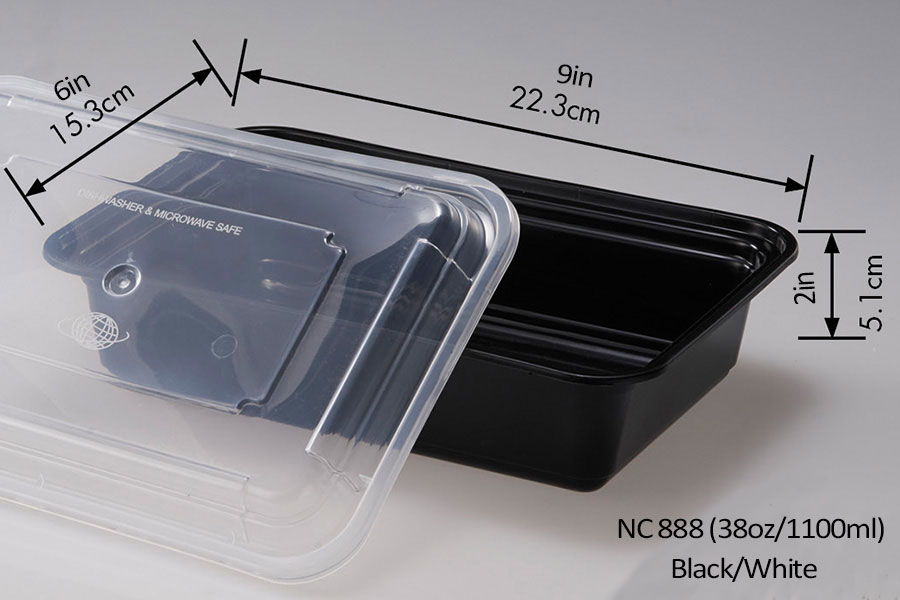
Clear containers often lead to confusion because clear PET is common in cold packaging, while some microwave-suitable PP containers can also appear clear depending on formulation. This is why a resin-confirmed supply chain matters. For projects that require consistent reheating performance, microwave-safe meal prep containers should be selected based on tested heat behavior, lid compatibility, and the actual foods being reheated.
Safe Microwaving Practices That Prevent Warping And Leaks
Even with the right container, the way food is heated affects results. The biggest causes of warping and leaking are overheating oils and sauces, sealing the lid too tightly, and heating for too long at full power.
A more reliable reheating method is to loosen the lid or use a vented lid design so steam can escape. Heat in shorter cycles and stir or rotate food between cycles. This reduces concentrated hot spots that stress the container walls. When heating foods with high oil content, use moderate power if possible because oil can reach higher temperatures than water and can deform plastics faster.
If a container begins to soften, stop heating and allow it to cool. Continuing to microwave a softened container increases the chance of seal failure and spills.
Situations Where Microwaving Plastic Containers Is Not Recommended
Some scenarios should be treated as higher risk, even if the container seems to tolerate heat.
If a container is cracked, heavily scratched, or visibly aged, the structure may fail under heat and pressure. If the packaging was designed for freezer storage only, reheating may cause brittle areas to crack. If the food contains a high proportion of oil and sugar, hot spots can become intense and damage lids or corners.
For these cases, it is safer to transfer food into a container designed for reheating rather than testing a cold-use container in a microwave.
Selecting Disposable Containers For Microwave Reheating Programs
When selecting disposable packaging for reheating, buyers typically evaluate three performance areas: heat stability, leak resistance, and user experience. Heat stability is about keeping shape under reheating. Leak resistance depends on rim design, lid fit, and container rigidity. User experience includes easy opening, clean sealing, and how well the container looks after heating.
For meal-prep and takeaway operations, choosing microwave-safe disposable food containers that are engineered for hot food reduces customer complaints and returns. It also supports more stable delivery performance because containers are less likely to deform during transit and then fail during reheating.
Jinshunda provides disposable packaging options designed around practical foodservice use cases. You can view our range through the disposable food containers collection, and match container styles to your menu structure and reheating requirements.
Conclusion
You can microwave plastic containers safely when the container is made from a heat-suitable resin and used with correct reheating practice. Materials such as PP are commonly selected for microwave-ready packaging because they offer stable performance for hot meals, while plastics designed for cold display may deform or leak when exposed to high heat and steam pressure. The best results come from verifying container material, venting the lid during heating, and avoiding long high-power cycles that create extreme hot spots.
If you are building a meal-prep line, takeaway program, or retail hot food range and need guidance on selecting the right packaging, contact Jinshunda. Share your food types, fill temperature, and reheating scenario, and we can recommend suitable disposable container options and support your packaging selection.