

Which Plastic Containers Are Safe For Food Storage?
Plastic containers are widely used for food storage because they are lightweight, durable, and easy to stack. However, not every plastic is equally suitable for storing food long-term. The safest choice depends on the resin type, the temperature conditions you will use, and whether the container is designed for direct food contact. For takeaway programs, supermarket deli packaging, meal prep, and bulk food handling, selecting the right material helps reduce odor retention, staining, leakage, and the risk of container deformation.
This article explains which plastic containers are safe for food storage, how to evaluate resin types, what to look for in real-world use, and how to choose packaging that matches cold storage, hot fill, or reheating needs. You can also browse Jinshunda’s disposable food containers range to compare storage-oriented options by application.
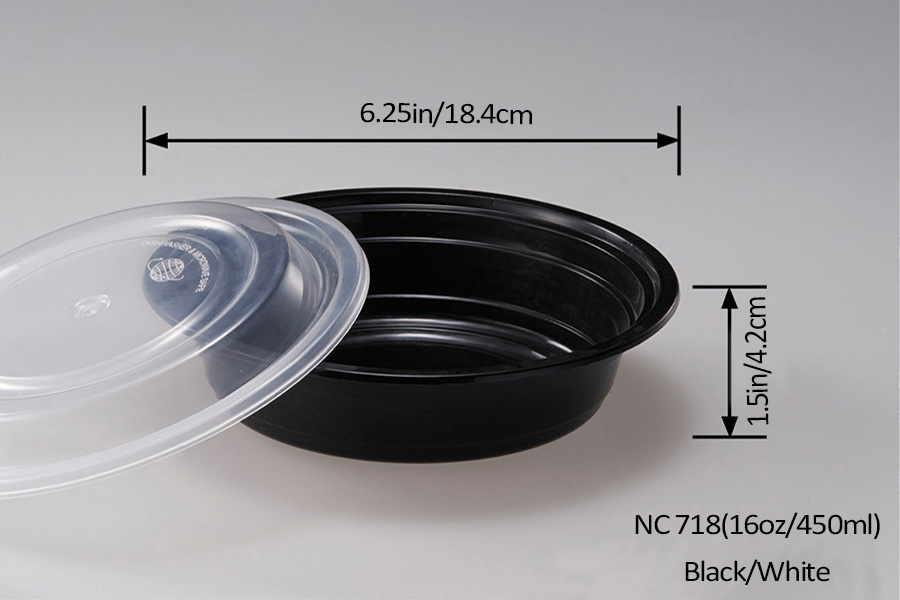
What Food-Safe Plastic Means In Practical Use
Food-safe plastic refers to materials that are manufactured for food contact and used within their intended temperature range. In practice, a container can be safe for storing food but perform poorly when exposed to heat, oil, or repeated washing. Safety and usability overlap. A container that warps, cracks, or loses its lid seal during storage can lead to leaks and contamination risk, even if the resin itself is food-contact compliant.
This is why professional food storage programs evaluate both material and design, including wall thickness, rim strength, lid fit, and how the container behaves in a refrigerator, freezer, or delivery environment.
The Most Common Food Storage Plastics And How They Compare
Most food storage packaging is made from a small group of plastics. Each has typical strengths and limitations, especially when you consider cold storage, greasy foods, and temperature changes.
| Plastic Type | Typical Food Storage Use | Strength For Storage | Common Limitations |
|---|---|---|---|
| PP | Meal prep, takeaway, deli storage | Good for hot or cold food, strong flexibility | Can haze over time, varies by grade |
| PET | Cold food, salads, clear display | Excellent clarity, strong rigidity | Less suitable for high-heat storage |
| CPET | Ready meals, higher temperature applications | Strong thermal stability | Less emphasis on high clarity |
| PS | Some cold packaging | Lightweight, low cost | Not ideal for heat or oily foods |
| PLA | Compostable cold food storage | Good for cold applications | Heat sensitivity varies by formulation |
For many storage programs, PP is a common baseline because it handles cold storage well and is often suitable for hot fill or later reheating when the container is designed for that purpose. PET is often selected when clarity and display quality are important, such as salad tubs and chilled retail packs, but it typically performs best when used for cold storage rather than hot use.
How To Choose Containers Based On Storage Temperature
Food storage conditions affect which plastic performs best. A container that is perfect for chilled deli items may not be appropriate for hot soups or oily foods.
For refrigerator storage, you want material stability and odor control. PP and PET are commonly used, with PET offering strong clarity for display and PP offering more flexibility and broad temperature tolerance.
For freezer storage, impact resistance matters. Containers can become brittle at low temperatures depending on resin and thickness. A freezer-suitable container should resist cracking and keep its lid seal after thawing. Many PP-based containers perform reliably here when the design is intended for freezing.
For hot fill storage, the container must handle higher temperatures without softening or deforming. PP and CPET are more commonly used in these scenarios. For example, hot meals packed for delivery benefit from containers that keep their shape and maintain a consistent lid seal when food is still warm.
Matching resin to temperature is one of the simplest ways to reduce leakage complaints and container deformation during transport.
Food Types That Stress Containers During Storage
Storage safety is not only about temperature. Certain foods are harder on plastics.
High-oil foods can create stronger interaction with surfaces and make staining more noticeable. Acidic foods may carry strong aromas and can highlight poor odor resistance. Foods with high color pigments, such as tomato sauces or curry, can stain certain containers and reduce the perceived cleanliness for reuse scenarios.
In disposable packaging programs, the goal is often clean performance through the full cycle: filling, sealing, transport, refrigeration, and sometimes reheating. A container that remains stable and leak-resistant through these steps is the practical definition of safe and suitable storage.
What To Look For In A Safe Food Storage Container Design
Even with the right resin, design details determine whether a container stays secure during storage.
A strong rim structure improves lid engagement and reduces leaks. A well-designed lid provides consistent compression around the edge and prevents corner lifting. Wall thickness affects both rigidity and insulation feel, which can matter for hot food handling. Stackability supports safe storage in refrigerators and retail shelves by reducing tipping and lid deformation under load.
These features are especially important when selecting safe plastic food containers for storage in high-volume operations, where handling is fast and containers are stacked during distribution.
Storage And Handling Practices That Improve Safety
Container performance is improved when storage practices are correct. Allow hot food to cool slightly before sealing tightly if steam pressure is a known issue in your workflow. Keep lids properly aligned to avoid partial seals that leak in transit. Avoid overfilling, especially with liquids, because pressure and movement during delivery can force leaks even through a good lid.
For cold storage, avoid placing containers near strong odor sources in the refrigerator. For freezer storage, label and date products clearly, and avoid repeated freeze-thaw cycles when possible, because they stress both the food and the container seal.
Selecting Disposable Food Containers For Storage Programs
For meal prep, takeaway, retail chilled food, and distribution, the best approach is to select a container family that matches your menu structure and storage method. Many operations choose a mix of clear PET containers for cold display and PP containers for hot food storage and reheating scenarios. This combination supports both presentation and functional stability.
Jinshunda supplies disposable packaging options designed to support practical storage workflows, including stacking stability and reliable lid fit for transport and refrigeration. You can review container styles and applications in our disposable food containers collection.
A natural keyword expansion often used by buyers searching for packaging guidance is safe plastic food containers for storage. It fits common search intent while staying aligned with how operators describe real use cases.
Conclusion
Plastic containers are safe for food storage when they are made for food contact, used within the right temperature range, and designed to maintain a secure seal during storage and transport. PP is commonly selected for versatile storage across hot and cold conditions, while PET is often preferred for clear, cold-display packaging. The safest results come from matching resin type to your storage temperature, considering the food’s oil and acidity profile, and choosing a container design with strong rims and reliable lids.
If you want help selecting the right container type for your menu, storage method, and delivery workflow, contact Jinshunda. Share your food categories, fill temperature, and storage conditions, and we can recommend suitable disposable container options and provide practical guidance for your program.
Previous: How To Make Rubber Band?