

What Is The T-Shirt Price Tag?
A T-Shirt Price Tag is the tag attached to a T-shirt to show key product information at the point of sale. In the most basic sense, it tells the buyer how much the item costs. In actual retail use, though, it usually does much more than that. A well-made price tag can also present the brand name, product size, material details, barcode, style number, care instructions, and sometimes a short message about the collection or product positioning.
For many apparel businesses, the T-shirt price tag is a small detail that carries a surprisingly large function. It helps organize merchandise, supports smoother store operations, improves product presentation, and gives the garment a more complete and professional look. Whether the T-shirt is sold in a boutique, a chain store, a supermarket, or through a private label program, the tag often becomes part of the buying experience before the customer even tries the product on.
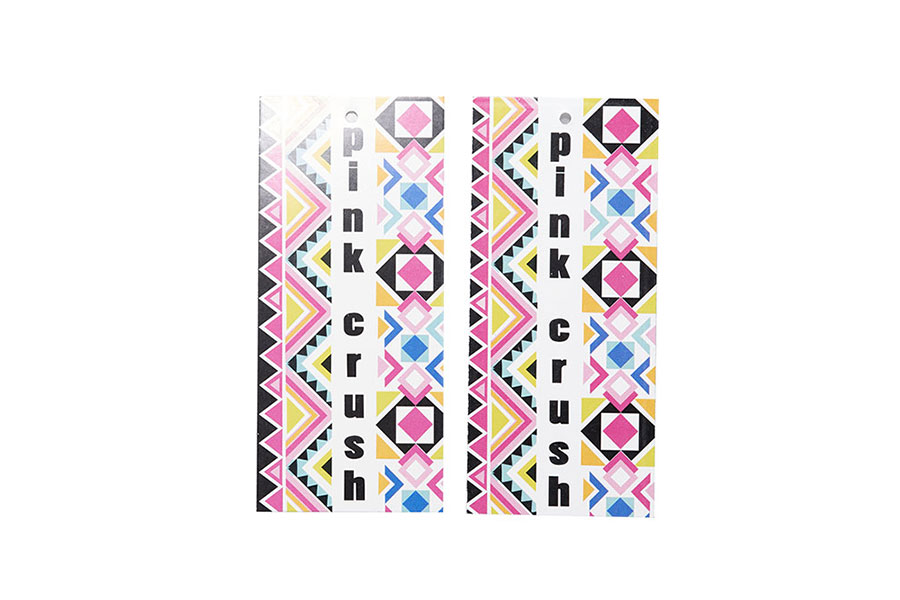
Why A T-Shirt Price Tag Matters
A T-shirt price tag matters because it connects product information with sales communication. Shoppers often make quick judgments in retail spaces. Before they examine stitching, fabric hand feel, or fit, they usually notice the front display, the folded presentation, and the visible tag. That means the tag is not only a price marker. It is also part of how the product is introduced.
For sellers, a clear and durable tag reduces confusion on the sales floor. Staff can identify pricing faster, buyers can scan barcode information more easily, and inventory teams can sort products with fewer errors. In wholesale and private label orders, tags also help keep product lines consistent across different colors, sizes, and collections. When the tag design matches the garment style, the overall presentation feels more complete and more trustworthy.
What Information Does A T-Shirt Price Tag Usually Include
The exact content depends on the market, brand style, and sales channel, but a standard T-shirt price tag often includes several core details. These details should be easy to read and arranged in a clean way.
Retail price
Brand name or logo
Product name or item number
Size information
Fabric composition
Barcode or QR code
Care guidance
Country of origin when required
Promotional or seasonal message
Not every tag needs to contain all of these elements in the same format. A minimalist fashion label may prefer a simple logo and price. A large retail program may need barcode data, color references, and internal stock numbers. The purpose is not to add more text than necessary, but to include the right information for selling, sorting, and brand presentation.
Different Types Of T-Shirt Price Tags
T-shirt price tags are available in different forms, and each one suits a different selling environment. The most common type is the paper hang tag attached with string, plastic fastener, or loop lock. This format is widely used because it is cost-effective, flexible in design, and easy to customize.
Sticker price labels are another option. They are often used when sellers want direct pricing on packaging or on a secondary tag card. They can be practical for discount channels or fast-moving retail environments, but they are usually less decorative than hang tags.
Some brands use layered tags. One layer highlights the brand image, while another contains price and barcode information. This approach works well when a business wants both visual appeal and efficient product management. In some higher-end or tech-integrated stores, electronic price display systems may be used at shelf level, but physical garment tags are still common because they stay with the product itself and travel through warehousing, transport, display, and final sale.
Materials Commonly Used For T-Shirt Price Tags
Most T-shirt price tags are made from paper-based materials, but there is still a wide range of choices within that category. Coated paper is popular for colorful printing and a smooth surface. Kraft paper is often chosen for a more natural, simple, and eco-conscious look. White card stock is a practical option when brands want sharp printing and a balanced cost.
Some tags use specialty finishes to improve appearance or durability. Matte lamination gives a soft and understated surface. Gloss finishing creates a brighter visual effect. Embossing, foil stamping, spot UV, and textured paper can add more brand character when the garment line needs stronger shelf presence.
Material choice should match the product level. A basic promotional T-shirt does not need an overly heavy luxury tag. A premium fashion tee, however, may benefit from thicker stock and more refined finishing. Good tag design is not about making the tag complicated. It is about making the tag suitable for the product it represents.
How A Good Price Tag Supports Brand Image
The tag is often one of the first branded elements a buyer touches. That makes it useful for building a consistent identity. Color, typography, texture, hole position, tag shape, and fastening method all influence how the final garment feels as a retail item.
A poorly printed tag can make a decent T-shirt look lower in value. A clean and well-structured tag can do the opposite. It can make the garment look more organized, better prepared for sale, and more aligned with the brand story. Even when customers do not consciously analyze the tag, they still respond to whether it looks neat, readable, and intentional.
This is especially important for private label sellers and growing apparel businesses. When the brand is still building recognition, every visible detail matters. A T-shirt price tag can quietly reinforce quality, consistency, and seriousness.
What Buyers Should Consider When Ordering Custom T-Shirt Price Tags
When sourcing custom T-shirt price tags, buyers should think beyond appearance. Design is important, but practical use is equally important. A tag has to work well in production, packaging, transport, store display, and final sale.
Size should match the T-shirt category. Oversized tags may distract from a clean product presentation, while very small tags may not leave enough room for required information. Printing clarity is also essential. Tiny text, poor contrast, or crowded layouts can make the tag less useful. Hole position and attachment method should fit the garment without damaging fabric or making the tag hard to remove.
How T-Shirt Price Tags Are Used In Real Sales Environments
In retail stores, the tag helps shoppers compare products quickly. In chain operations, it supports barcode scanning and stock control. In wholesale programs, it helps distributors sort goods by style, color, and size. In export business, it can also support packaging accuracy and smoother product identification after arrival.
For fashion brands, the tag often adds emotional value. It can carry a short brand message, a sustainability note, or product positioning language that helps the item feel more curated. For value-driven programs, the focus is usually on clarity, price visibility, and easy product handling. In both cases, the tag serves a practical purpose, but the presentation strategy is slightly different.
Because of this, there is no single perfect T-shirt price tag for every business. The best option depends on the product level, target market, retail channel, and brand style.
Choosing The Right Supplier For Tag Production
A reliable supplier should be able to understand both visual requirements and production details. That includes material options, printing methods, finishing choices, attachment solutions, and packing support. It also helps when the supplier is already familiar with Garment Accessories, since that usually means better understanding of how tags work alongside hangers, labels, and other apparel packaging components.
An experienced manufacturer can also help buyers simplify decisions. Instead of choosing from too many decorative options, the buyer can focus on what is actually useful for the T-shirt line. That may include recommending a practical paper thickness, a better print finish, or a faster format for repeated bulk orders. When the supplier can balance appearance, function, and production efficiency, the ordering process becomes much smoother.
Conclusion
A T-shirt price tag is more than a small piece of printed paper. It is a working part of apparel presentation, product identification, and retail communication. It tells buyers what the product is, helps sellers manage stock more clearly, and adds structure to the final garment display. When designed well, it supports both daily sales and long-term brand consistency.
For businesses that need custom T-shirt price tags, the right solution should be clear, durable, easy to read, and consistent with the product image. If you are comparing materials, tag styles, printing options, or bulk order details, you can contact our team for practical guidance. We can help you review suitable tag solutions for different T-shirt programs and make the selection process easier.
Previous: