
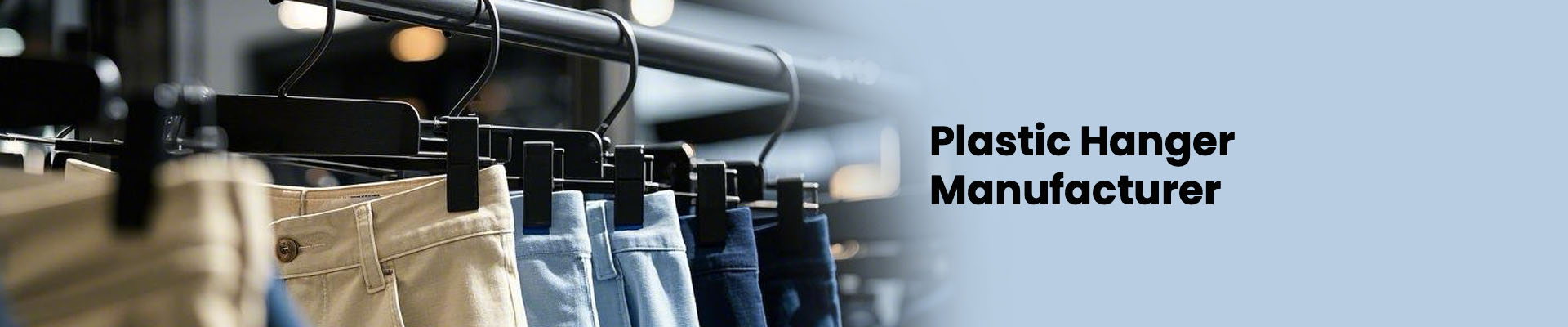
How To Fold Pants on Hangers
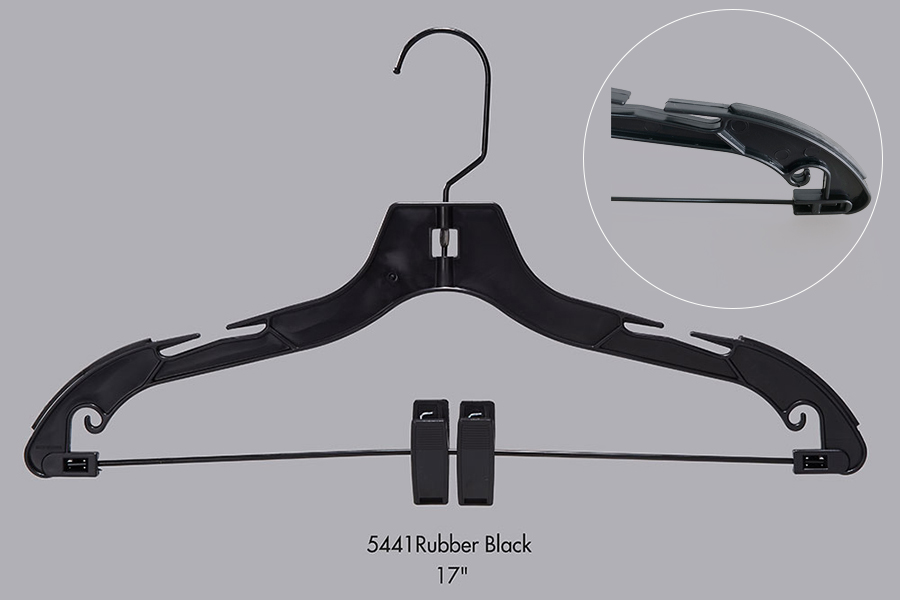
The most practical way to hang pants depends on both the fabric and the hanger structure. Some pants can be folded once over a lower bar, while others are better secured with adjustable clips. A 17-inch plastic hanger with a swivel hook, two movable clips, and a rubber-coated bar works especially well because it gives more flexibility for different pant shapes and fabric weights. The rubber surface adds grip, and the clips help prevent slipping during daily handling.
Why Proper Folding On Hangers Matters
Pants are one of the easiest garments to wrinkle in storage. When they are folded unevenly or placed on a smooth hanger without support, the weight of the fabric pulls the legs downward. This creates shifting, distortion, and visible crease marks in the wrong places. Over time, even a neatly pressed pair can lose its shape in the closet.
Proper folding also improves space use. Pants that hang straight and compactly are easier to arrange by size, color, or style. This matters in home wardrobes, but it matters even more in stores, hotels, and clothing service environments where garments are moved often. A stable hanger makes the pants easier to remove, return, and display without constant readjustment. This is one reason hangers with shoulder support, a rotating hook, and secure lower holding points are widely used across home and commercial clothing storage.
Choose The Right Hanger Before Folding
Before folding the pants, it is worth checking whether the hanger is suitable. A basic smooth hanger may work for lightweight tops, but pants need more grip and better positioning. If the hanger includes adjustable clips, it can hold the waistband or hem securely. If it has a rubber-coated bar, it can help keep folded trousers from sliding off. These details make a clear difference in daily use.
A wider 17-inch hanger is also more practical than a smaller one for adult garments because it gives the clothing better balance. The swivel hook helps when turning garments in different directions on a rack, especially in stores or shared closets. A plastic body keeps the hanger lightweight, while the reinforced structure helps it hold trousers, dresses, and suits without bending too easily. For pants in particular, that combination of low weight and secure support makes folding and hanging more efficient.
How To Fold Pants Over A Hanger Bar
For many casual trousers, jeans, and work pants, the easiest method is the fold-over-bar style. Start by laying the pants flat and matching the two legs together. Smooth the fabric with your hands so the seams line up and the material does not twist. Then hold the pants from the waistband and fold them once at the knee or mid-leg, depending on the overall length. The goal is to create a balanced fold so both sides hang evenly once placed on the hanger.
After that, drape the folded section over the lower bar of the hanger. If the bar has a rubber coating, the pants will stay in place more easily and resist slipping when the hanger is moved. This method works well for everyday pants because it is quick and avoids extra pressure marks from clips. It is especially useful when the fabric is thick enough to hold its own shape and not too delicate to crease under its own fold.
The key is to avoid an uneven fold. If one pant leg is longer than the other after hanging, the weight distribution changes and the garment may shift. A clean, centered fold keeps the pair balanced and gives the closet a neater look.
How To Fold And Clip Pants Correctly
For dress trousers, uniform pants, or garments that need a cleaner front view, clipping is often the better choice. Instead of folding over the bar, hold the pants from the waistband or from the bottom hem, depending on how you want them displayed. Then adjust the two clips so they match the width of the garment without pulling the fabric too tightly.
This is where adjustable clips are especially useful. They can slide to fit different pant sizes, from narrower formal trousers to wider casual cuts. Once positioned correctly, they hold the garment firmly and reduce the chance of slipping. A rubber-coated clip area also helps protect the fabric from scratching while increasing friction. That matters for smoother materials, which tend to slide more easily on ordinary hangers.
Clipping by the waistband is practical for storage because the pants hang at full length and keep a straight line. Clipping by the hem is common in retail because it presents the front of the pants more clearly. Both methods work, but they should always be done with even pressure. If one clip is tighter than the other, the garment may hang crooked and develop marks near the grip points.
Best Folding Method For Different Pant Types
Not all pants should be handled the same way. Jeans and heavier cotton trousers usually perform well with the fold-over-bar method because the fabric is thick and stable. They are less likely to show strong fold marks, and the weight helps them stay draped in place.
Suit pants and formal trousers often look better when clipped. This keeps the crease line straighter and avoids a heavy fold across the leg. For lighter fabrics, a clip hanger with anti-slip support gives a cleaner presentation and reduces repeated pressing later.
Soft lounge pants or wide-leg styles can be stored either way, but they benefit from a hanger that provides more friction. Smooth plastic alone may not be enough. A hanger that combines a plastic frame, a metal support bar, and rubber contact points creates more control, especially when garments are moved frequently between washing, storage, and display.
Common Mistakes When Hanging Pants
A common mistake is folding pants too low or too high on the leg. If the fold is too close to one end, the garment becomes unbalanced and starts to slide. Another issue is hanging pants without smoothing the fabric first. This locks wrinkles into place and makes the garment look less tidy even before it is worn.
Using the wrong hanger is another problem. A hanger without grip can make pants fall off with the slightest movement. Clips that do not adjust well may pinch too tightly or sit too far apart. Over time, this creates pressure marks and uneven hanging. In closets with frequent use, these small issues become daily annoyances.
It is also a mistake to overload one closet section with tightly packed garments. Even when pants are folded correctly, too little space between hangers can press unwanted lines into the fabric. Proper hanging works best when the garment has enough room to fall naturally.
Why Hanger Design Affects Garment Presentation
The hanger is not just an accessory. It directly affects how pants look in storage and on display. A swivel hook makes it easier to turn garments without removing them from the rod. A shaped upper frame supports other clothing types, which is useful when one hanger style needs to work across several categories. A stable plastic structure keeps the hanger light enough for everyday use while still being practical for repeated commercial handling.
For pants, the most important design features are grip and adjustability. A rubber-coated support area helps keep the garment from slipping, while movable clips allow better positioning for different widths and cuts. This combination is one of the reasons clip hangers are so widely used in homes, hotels, shopping malls, offices, and garment service settings. They help maintain order while also protecting the clothing surface from unnecessary friction and movement.
Conclusion
Knowing how to fold pants on hangers properly can make everyday storage much easier. The right method keeps pants neat, reduces slipping, and helps the garment hold its shape longer. For casual pants, folding over a secure lower bar is usually enough. For dress trousers or display needs, adjustable clips often create a cleaner result.
A practical hanger with a 17-inch frame, swivel hook, adjustable clips, and rubber support gives more flexibility for different pant types and storage situations. It helps clothing stay organized while improving the overall look of the wardrobe or display area. If you are choosing hangers for clothing storage, retail display, or bulk garment organization, feel free to contact us. We can help you compare hanger structures, recommend suitable options for different apparel categories, and provide practical support for your sourcing needs.
Previous: How Do I Get Security Tag Off