

How Do I Get Security Tag Off
This matters because a Security Tag is not just a clip on clothing. It is part of the store’s loss prevention system. It is meant to stay attached during display, fitting, and sale, then come off cleanly without damaging the fabric. For that reason, the better question is not only how to get a security tag off, but how to remove it correctly, safely, and in a way that protects both the garment and the retail process.
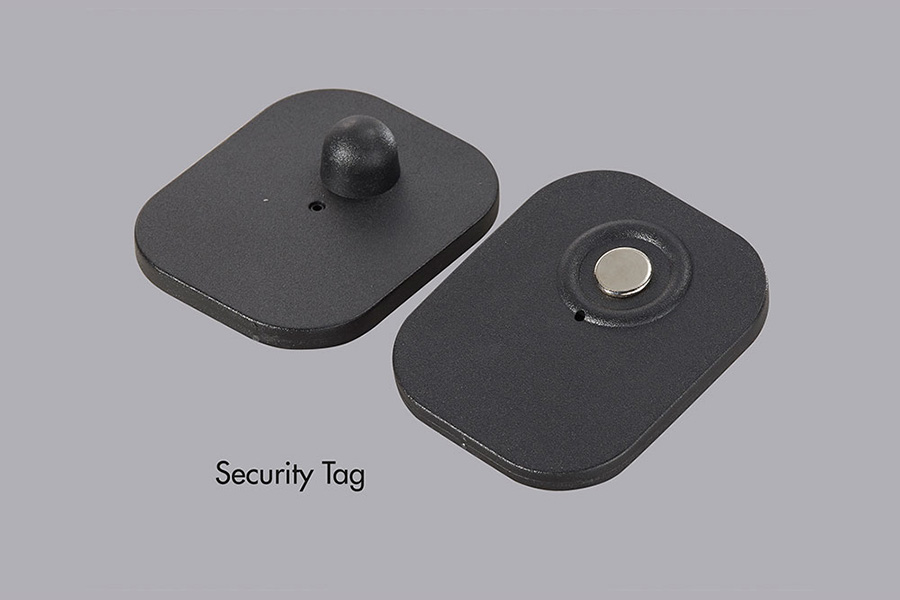
Why Security Tags Are Not Made For DIY Removal
A clothing security tag is built to stay locked during daily retail handling. It needs to remain stable when garments are moved, tried on, rehung, packed, and displayed. That is why many apparel security tags use a firm shell structure, a locking core, and a metal pin that holds securely once attached. In real store use, the tag must be strong enough to resist accidental loosening while still allowing fast removal at the checkout counter.
This design is also the reason home removal is usually a bad idea. Trying to open the tag without the correct equipment can damage the garment around the pin area, leave visible marks, or even break the tag in an unsafe way. On lightweight fabrics, the risk is even higher because the material may stretch or tear before the lock gives way. What looks like a small hardware problem can quickly turn into a product damage problem.
For retailers, this is exactly the point. A security tag should remain secure during the customer journey, but come off in seconds with the right store tool. A good tag supports both security and shopping convenience at the same time.
The Correct Way To Get A Security Tag Off
In legitimate retail use, the correct way to remove a security tag is through trained staff using the proper unlocking device. This usually happens at the point of sale after payment is completed. The process is quick because the tag is designed to work with a dedicated remover that matches its locking structure.
If a customer takes a purchased garment home and discovers the tag is still attached, the best solution is to go back to the retailer with proof of purchase. Most stores deal with this issue regularly and can remove the tag without harming the garment. This is usually much faster than people expect, and it avoids unnecessary damage or confusion.
For online sellers and fashion stores, clear post-sale support matters here. If a shipped order arrives with a tag still attached, the brand should guide the customer toward the correct service path instead of leaving them to guess. Good customer service in this situation protects both the product and the shopping experience.
Why Proper Removal Matters For Fabric Protection
A security tag is usually attached at a stronger part of the garment, such as a seam area, label position, or reinforced section of fabric. That placement helps reduce visible damage during normal use, but it does not mean the garment can handle rough removal. If force is applied in the wrong direction, the fabric can still stretch, dent, or tear around the pinhole.
This is especially important in modern apparel retail, where many garments use softer knits, lighter blends, coated materials, or thin fashion fabrics. These materials may look smooth and premium, but they are less forgiving when pulled or twisted. The safer approach is always controlled removal with the correct equipment.
For this reason, well-designed clothing security tags are made to balance firmness with garment compatibility. A compact shape, smoothed edge treatment, and a stable pin structure all help the tag stay secure during fitting and display without creating unnecessary friction on the clothing surface.
What Retailers Should Do When Customers Ask This Question
From a store perspective, how do I get security tag off is not only a customer question. It is also a service and operational issue. If customers are asking this often, it may signal a problem with checkout procedures, staff training, or after-sales communication.
The best retail response is simple and clear. Customers should be told not to attempt removal by themselves and to bring the item, along with the sales record or receipt, back to the store. If the product was sold online, the seller should give a direct support path and confirm which location or partner can assist. This keeps the process professional and reduces unnecessary disputes.
Retailers can also lower these incidents by building a stronger internal routine. Tag removal should be part of the final checkout confirmation, just like payment verification and packaging. In busy stores, this small step can be missed, especially during peak shopping periods. A stronger end-of-sale workflow helps prevent customer inconvenience later.
How Security Tag Design Supports Retail Efficiency
A good security tag is not only about theft prevention. It also affects staff speed, fitting room management, and merchandise presentation. In apparel stores, the tag has to stay attached firmly enough to support open display, but it also needs to be manageable for daily operations. If a tag is too bulky, it can interfere with fitting. If it is too weak, it fails its security purpose. If it is difficult to unlock, checkout becomes slower.
That is why compact retail tag design is important. A smaller profile sits closer to the garment and makes fitting more comfortable. Smooth edges help reduce friction against fabric. Durable shell material helps the tag survive repeated use. A reusable structure also improves cost efficiency for stores that handle large apparel volume every day.
For clothing chains, boutiques, and department store counters, these details matter more than they may appear at first. The tag is a small item, but it influences store security, staff workflow, and customer comfort all at once.
Why Reusability Matters In Store Operations
In retail, security tags are not disposable in the usual sense. They are part of a repeated in-store system. After one garment is sold, the tag is removed, collected, and used again on the next item. This makes durability and repeated opening performance important.
A reusable clothing security tag helps stores control cost while keeping a consistent loss prevention standard across different product lines. It also makes inventory preparation more efficient, because tags can be attached during merchandising and removed quickly during checkout. For stores that manage seasonal collections, promotions, or frequent restocking, reusable tag performance becomes part of everyday operating quality.
This is also why material choice matters. A durable shell, a stable locking point, and a corrosion-resistant pin all support longer working life in real retail environments. The tag must handle repeated handling, transport, fitting room movement, and frequent removal without losing reliability.
Common Situations Where This Search Appears
People usually search how do I get security tag off in three common situations. The first is after purchase, when a tag was missed at checkout. The second is during online order fulfillment, when a garment is delivered with the tag still attached. The third is from store operators or buyers researching security tag solutions and wanting to understand how removal works in real use.
These situations may sound similar, but they point to different needs. A shopper wants a safe solution without damaging the item. A retailer wants fewer service complaints. A buyer wants a tag that is secure in-store but efficient at checkout. The best content around this keyword should address all three angles, because the search intent often goes beyond simple curiosity.
That is why product-focused articles in this category should not frame tag removal as a trick or shortcut. The real value is in showing how proper tag design supports smooth legal removal, customer service efficiency, and better loss prevention management.
How To Choose A Better Clothing Security Tag
If you are sourcing security tags for apparel retail, it helps to look at the full use process rather than only the locking function. A practical tag should attach securely, remain comfortable during fitting, work with standard retail removal tools, and withstand repeated use. It should also be compatible with the store’s existing anti-theft system so that the alarm response remains dependable at store exits.
The shape of the tag matters too. A compact structure is easier to use across shirts, dresses, jackets, trousers, and lighter fashion items. A smoother outer edge reduces interference during customer handling. A reliable pin and locking core improve day-to-day use in stores with high product turnover.
For many apparel businesses, a better security tag is not simply one that locks harder. It is one that supports the full retail cycle more effectively, from display to fitting to checkout.
Conclusion
When people ask how do I get security tag off, the safest and most practical answer is to use the proper retail removal process. Security tags are made to be removed by authorized staff with the correct unlocking tool, not by force at home. That protects the garment, keeps the shopping experience smooth, and supports normal store security procedures.
For apparel retailers, this question also highlights the importance of choosing a tag that is secure, reusable, compact, and easy to manage at checkout. A well-designed clothing security tag helps reduce store loss while still keeping daily operations efficient and customer-friendly.
If you are selecting security tags for fashion retail, department store counters, or garment display management, feel free to contact us. We can help you compare product structures, discuss suitable tag options for different clothing categories, and provide practical guidance for your sourcing plan.
Previous: