
How To Make Pants Tighter at The Waist?
A loose waistband can turn a good pair of pants into a poor fit. For brands, garment factories, and sourcing teams, this is not only a styling issue. It is a product performance issue. If the waist feels unstable, slips during movement, or loses shape after washing, the garment quickly feels lower in value. That is why waist adjustment is not just about sewing technique. It is closely linked to the quality of the elastic material inside the garment.
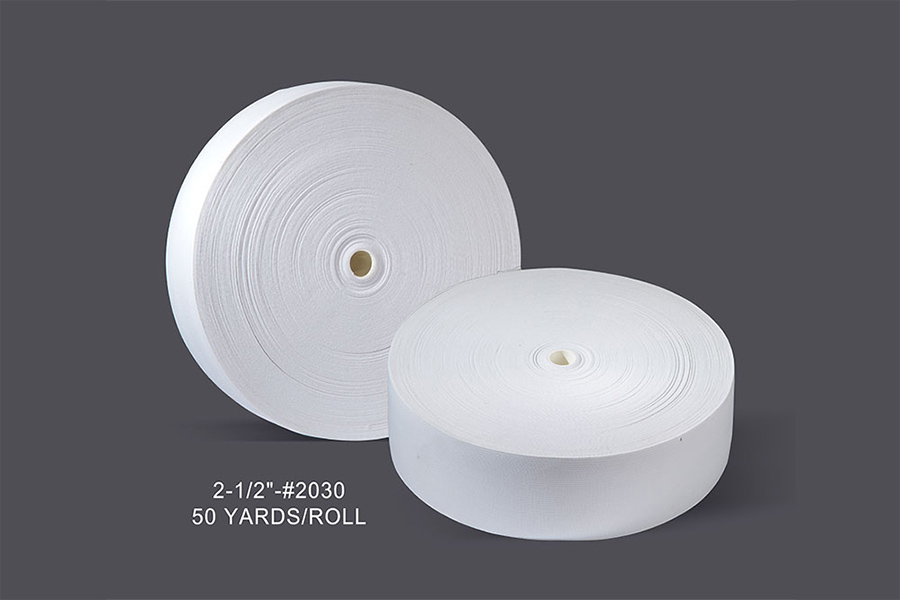
When people ask how to make pants tighter at the waist, the most practical answer often involves adding or replacing a better elastic structure. This is where our woven elastic band connects directly to the topic. In real production, a stable waistband depends on elastic strength, recovery, sewing compatibility, and consistency from batch to batch. For buyers working on private label, OEM, or ODM programs, choosing the right elastic is just as important as choosing the outer fabric.
Why Waist Fit Matters More Than Many Buyers Expect
The waist is one of the first areas customers notice when they try on pants. If it feels too loose, the garment may look unfinished even when the fabric, color, and cutting are all acceptable. A weak waistband can also create returns, sizing complaints, and poor repeat purchase rates. For wholesalers and apparel brands, that becomes a real cost issue rather than a simple fit issue.
This is why many professional buyers look beyond garment appearance and focus more on internal trim quality. A waistband that holds its shape well helps the pants stay comfortable during movement, sitting, and repeated wear. In contrast, poor elastic may stretch too easily, recover too slowly, or twist inside the waistband channel. Once that happens, the whole garment starts to feel less reliable.
A good solution begins with better elastic selection. The right material helps the pants feel more secure without making the waist too tight or uncomfortable. For this reason, elastic rubber for pants remains an important sourcing topic for garment manufacturers and trim buyers.
The Most Effective Way To Make Pants Tighter At The Waist
In most apparel applications, the cleanest method is to insert elastic into the waistband or replace the original elastic with a stronger and more stable one. This approach improves fit while keeping the garment practical for daily wear. It is widely used in casual pants, uniform trousers, children’s wear, workwear, sportswear, and many other sewn products.
The reason this method works so well is simple. Elastic adjusts to body movement better than a fixed alteration alone. It helps the waist stay closer to the body while still allowing flexibility. That balance is important in modern garment production because consumers want comfort and shape retention at the same time.
From a sourcing perspective, the material inside the waistband affects more than fit. It also affects sewing efficiency, production stability, and long-term garment performance. If the elastic is too soft, too weak, or inconsistent across rolls, factories may face higher defect rates during sewing. If the elastic is stable and easy to handle, production becomes smoother and final garments perform better in the market.
Why Woven Elastic Band Is A Strong Choice For Waist Applications
Not all elastic materials behave the same way. Some are softer and lighter, while others offer firmer structure and better shape retention. For pants waistbands, woven elastic band is often preferred when buyers want a stronger hand feel and a more supportive fit. It gives the waistband more structure and helps the garment look cleaner after repeated use.
This matters in real manufacturing. A waistband is exposed to stretching, folding, laundering, packaging pressure, and long shipping cycles. If the elastic loses recovery too quickly, the pants may look loose before they even reach the end customer. That is one reason professional buyers often pay close attention to elastic construction rather than treating it as a minor accessory.
Our woven elastic products fit naturally into this demand because waistband elastic needs to balance strength, usability, and appearance. A reliable elastic band gives factories better sewing control and gives brands a more dependable finished product. For OEM and ODM projects, it also creates more room to match different garment categories and market expectations.
What Buyers Usually Worry About When Sourcing Waistband Elastic
For B-end buyers, the main concern is rarely just price per roll. The bigger concern is whether the elastic will stay consistent during production and after sale. One weak batch can affect thousands of garments. If the waistband feels different across size runs or purchase cycles, customer trust drops quickly.
Another pain point is poor recovery. Some elastic materials stretch well at first but do not return properly after repeated wear. This creates a waistband that looks tired and performs poorly. Twisting, tunneling, irregular edge behavior, and unstable color matching can also become problems when the wrong material is used.
There is also the issue of sewing compatibility. If elastic is difficult to feed, does not sit flat, or causes uneven stitching tension, the production line slows down. For factories working on deadlines, this becomes expensive. Buyers who manage bulk orders usually want a supplier who understands these problems and can support practical solutions rather than only quoting a low number.
How Elastic Material Affects Garment Value
The waistband may seem like a hidden component, but it directly affects how the whole garment is judged. A customer may not know the technical details of elastic construction, but they feel the result immediately. If the pants stay in place, feel comfortable, and recover after movement, the garment feels better made. If the waist loosens too fast, the perceived quality drops.
That is why elastic rubber for pants should not be treated as a simple low-cost trim. It plays a role in comfort, fit consistency, and product durability. For importers, garment factories, and brand owners, it also influences return rates and brand reputation. A good fabric shell cannot fully compensate for a poor waistband.
This is where a capable supplier becomes important. Buyers often need stable quality, repeatable specifications, and clear communication. They may also need support with width, color, packing method, and custom development. In these cases, the elastic supplier is part of the product solution, not just a parts vendor.
Why OEM And ODM Support Matter In This Product Category
Many buyers are not looking for a one-size-fits-all elastic program. Different markets need different waistband behavior. Children’s wear may need a softer touch. Workwear may need stronger holding power. Fashion pants may need a balance between flexibility and shape. Sportswear may need better endurance under repeated stretching.
This is why OEM and ODM support matter. A supplier with customization ability can help buyers choose the right width, feel, color, packing format, and performance direction for the target garment. That makes sourcing more precise and reduces mismatch between trim selection and garment use.
Our products are suitable for this kind of cooperation because waistband materials often need to match a broader garment development plan. Buyers working on private label or contract manufacturing usually need more than stock supply. They need a partner that can support development, sample review, and stable repeat production.
How To Choose Better Elastic For Pants Waistbands
A better waistband elastic should feel stable without becoming too rigid. It should recover well after stretching and remain manageable during sewing. It should also fit the intended garment type rather than trying to serve every use with one standard choice. A narrow lightweight waistband for lounge pants does not need the same performance profile as a stronger waistband for utility trousers.
Buyers should also think about the full production path. The elastic has to work well in the sewing room, stay stable in storage, and perform properly after washing and wearing. Good sourcing decisions usually come from looking at the entire product journey, not only the purchase stage.
This is also why experienced buyers often review samples carefully before large orders. They are not just checking appearance. They are checking how the waistband feels in real use, how the material behaves in the sewing line, and whether it supports the intended garment position in the market.
Why Long-Term Supply Stability Matters
In Garment Accessories, consistency is often more valuable than a low first quote. A trim item that changes too much from one order to the next creates quality risk throughout the line. This is especially true for waist elastic because even a small change in tension or recovery can affect garment fit.
For brands, wholesalers, and factories, stable supply helps protect size consistency and customer expectations. It also supports smoother planning for future collections and repeat programs. A supplier that understands this usually becomes more valuable over time because the buyer does not need to solve the same quality problems again and again.
That is why many sourcing teams prefer suppliers who can handle both standard production and customized development. A stronger supply relationship usually leads to fewer surprises, better efficiency, and more reliable product performance.
Conclusion
When people ask how to make pants tighter at the waist, the real answer often comes down to better waistband structure and better elastic selection. A reliable woven elastic solution helps pants fit closer, move better, and maintain shape longer. That improvement may seem simple, but in garment production it has a direct effect on comfort, quality perception, and repeat sales.
For buyers, elastic rubber for pants should be evaluated as an important garment component rather than a minor accessory. The right supplier can help improve waistband performance, reduce production risk, and support OEM or ODM development for different apparel needs. If you are sourcing woven elastic band for pants, uniforms, sportswear, or other waistband applications, feel free to contact us. We can help review width options, application needs, and production details, and we can also provide practical guidance to support your next order more smoothly.
Previous: