

How To Hang Pants on Pants Hanger?
Hanging pants sounds simple, but the way the garment is stored has a direct effect on wrinkles, shape, display quality, and even product presentation in retail space. A pair of pants that slips, creases at the wrong point, or loses its line on the rack can quickly look less valuable than it really is. That is why this topic matters not only to home users, but also to garment brands, retailers, laundries, wholesalers, and sourcing teams looking for reliable hanger solutions.
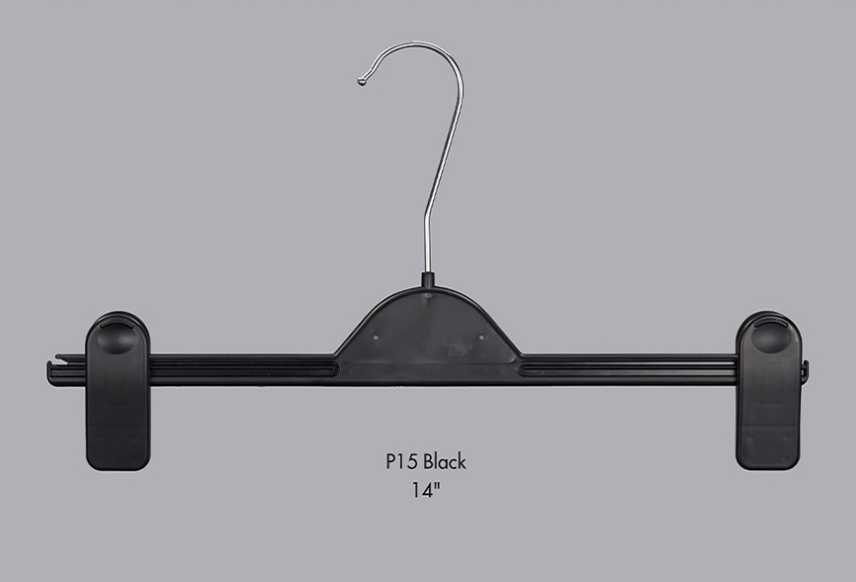
When people search for how to hang pants on pants hanger, they usually want a method that keeps the garment flat, secure, and easy to access. In real business use, the answer also depends on the hanger itself. A weak hanger or poor clip design can leave marks, fail to hold heavier fabric, or create an inconsistent display. This is where our product connects naturally with the topic. A stable bottom hanger with clips helps pants stay in place while keeping the presentation cleaner and more professional. For buyers building retail programs or bulk supply plans, that matters more than it may seem at first.
Why Proper Hanging Makes A Difference
Pants are heavier than many lightweight garments, and that changes how they should be stored. If they are folded badly over a bar, deep crease lines may form in the wrong area. If they are draped unevenly, one side may stretch more than the other. If they are clipped too tightly with the wrong structure, the fabric may show pressure marks. Over time, poor hanging habits can affect both appearance and customer impression.
For B-end buyers, this becomes a practical issue. A hanger is not just a simple accessory. It affects in-store display, warehouse efficiency, and garment condition before sale. In export and wholesale business, buyers often focus on unit cost first, but the real concern is whether the hanger can support daily use, repeated handling, and a clean presentation across many garments. A better hanger helps reduce slipping, improves consistency, and gives the product rack a more organized look.
The Best Way To Hang Pants Correctly
The most effective way to hang pants is to hold them at the waistband or upper side seam area with balanced clips. This keeps the fabric hanging naturally downward and helps the leg line stay smooth. Before clipping, it is better to straighten the waistband and align both legs so the pants do not twist. Once the clips are placed evenly, the garment hangs more cleanly and is less likely to fall or become misshapen.
This method is especially useful for dress pants, uniform trousers, fashion bottoms, and retail presentation pieces where visual neatness matters. It also works well for many everyday pants because the hanger keeps the item visible and easy to sort. Compared with rough folding or unstable draping, clip hanging supports a cleaner garment shape and a tidier display environment.
A well-made clip hanger helps this process feel simple. When the clips hold firmly without being awkward to use, daily work becomes faster for store staff, warehouse teams, and garment handlers. That is one reason many buyers now prefer plastic pant hangers with clips for pants programs that need both efficiency and appearance.
Why Clip Hangers Work Better For Pants
Clip hangers solve a very specific problem. Pants need holding power, but they also need balanced support. A basic hanger shape may work for tops, but bottoms often require more control. Clips help secure the waistband area so the garment does not slide off easily. This is important in retail stores, shipping preparation, sample rooms, and production packing lines where garments are moved often.
Our products fit naturally into this use because pants hangers need to do more than simply hold fabric. They need to support repeated use, maintain a clean display, and stay practical for different trouser weights and materials. For buyers, this is where product value starts to show. A hanger that performs well helps the garment look better before the customer even touches it.
What Buyers Usually Care About Most
For importers, retailers, and private label buyers, the biggest worry is usually consistency. One order may look good in the sample stage, but if later batches feel weaker, grip less securely, or vary in finish, the problem quickly affects the sales floor. Buyers also worry about breakage during transport, poor clip pressure, and hangers that do not match the intended garment category.
Another common issue is presentation. In many stores, poor-quality hangers make even good garments look less refined. That can hurt visual merchandising and weaken the customer’s first impression. In warehousing and bulk handling, unstable hangers also slow down work because garments slip or need to be repositioned again and again.
This is why professional buyers often look beyond price alone. They want a supplier that understands retail use, export handling, and repeat order consistency. A hanger supplier should help reduce risk, not add more of it.
Why Material And Structure Matter
A hanger for pants needs enough strength to hold the garment properly without feeling flimsy in daily use. Structure matters because pants are pulled, clipped, moved, packed, and displayed much more often than many buyers expect. If the body of the hanger lacks stability, or if the clip area feels unreliable, the whole product becomes less practical.
That is why plastic pant hangers with clips remain a strong option for many commercial applications. They offer a clear balance between cost control, daily usability, and display function. For bulk buyers, they are also easier to integrate into standardized store systems, warehouse handling, and garment packing plans.
Why OEM And ODM Support Matter
Many buyers are not just looking for a standard hanger with no flexibility. They may need custom color, logo, packaging style, or a different clip structure to match their garment category and market position. In these cases, OEM and ODM support become part of the real buying value.
For a supplier, this means understanding more than the product itself. It means understanding how the hanger will be used in retail, how it will ship, and how it should support the buyer’s own brand presentation. This matters for chain stores, uniform suppliers, garment exporters, and packaging program buyers who need more than off-the-shelf supply.
Our products are suitable for this kind of cooperation because hanger sourcing is often tied to a broader garment display and packaging plan. A reliable supplier can help buyers align function, appearance, and repeat production more smoothly.
Choosing A Supplier For Long-Term Orders
In hanger sourcing, long-term stability often matters more than a low first quote. A small difference in material quality or clip performance can create much larger problems later in store operations and after delivery. That is why experienced buyers usually focus on quality consistency, communication speed, and production reliability.
A good supplier should help buyers maintain a stable display standard across orders. That includes product performance, packaging coordination, and the ability to support repeat business without constant variation. In real B-end purchasing, that is what creates better long-term value.
Conclusion
Knowing how to hang pants on pants hanger the right way helps protect garment shape, improve display quality, and reduce unnecessary wrinkles. The most effective method is to clip the pants evenly at the waistband area so the fabric hangs naturally and stays secure. When the hanger itself is well made, this process becomes easier and more reliable in daily use.
For buyers, the right hanger is not just a small accessory. It supports garment presentation, store efficiency, and overall product value. If you are sourcing plastic pant hangers with clips for retail, wholesale, packaging programs, or OEM and ODM projects, feel free to contact us. We can help review product details, customization needs, and order planning, and we can also provide practical suggestions to make your hanger selection more suitable for your market.
Previous: Do they make shorter hangers?