

How to Choose Hangers for E-commerce Fulfillment and Packaging?
In e-commerce apparel fulfillment, a hanger is not just a display tool. It also affects packaging efficiency, garment protection, warehouse handling, and the final customer experience. For sellers shipping pants, skirts, shorts, and coordinated bottom pieces, the wrong hanger can create avoidable problems such as clip marks, unstable packing, wasted carton space, damaged garments, and inconsistent presentation across different orders.
That is why many importers, wholesalers, private label brands, and project buyers look for a hanger supplier that understands both garment support and packing efficiency. For this kind of application, working with experienced clothes hanger manufacturers becomes less about buying a basic accessory and more about choosing a practical fulfillment solution.
What E-commerce Fulfillment Really Requires From Bottom Hangers
Traditional retail hanger selection often focuses on store presentation. E-commerce fulfillment is different. The hanger has to move smoothly through picking, packing, shipping, and in some cases re-stocking or secondary distribution. A good bottom hanger should support the garment securely, reduce movement inside the packaging flow, and help maintain a clean and consistent look when products reach the buyer.
For bottoms, this challenge is even more obvious. Pants and skirts can slip, wrinkle, or lose alignment if the clip force is too weak. At the same time, overly aggressive clips may leave marks on fabrics, especially on lightweight materials or neatly finished waistbands. This means buyers need a hanger that balances grip, garment protection, and efficient handling during mass fulfillment.
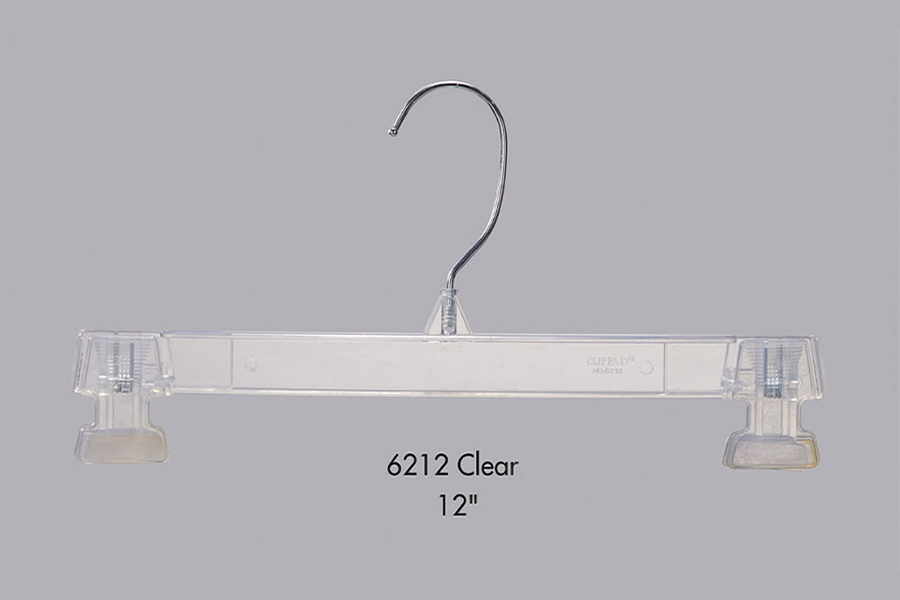
Our plastic bottom hangers fit this need well because they are made for practical garment holding rather than visual decoration alone. The combination of plastic body, clip structure, and metal hook gives buyers a straightforward solution for hanging and handling bottom garments in fulfillment and packaging operations.
Match The Hanger To The Garment Category
A common sourcing mistake is choosing one hanger style for every bottom garment. In actual order fulfillment, different garments place different demands on the hanger.
Lightweight shorts and children’s bottoms usually need a compact size that keeps the product stable without adding unnecessary bulk. Standard skirts and casual pants need dependable clip holding and a shape that keeps the waistband balanced. Heavier bottoms need stronger support so the garment does not twist during handling or shipping preparation.
This is where size selection matters. Our bottom hanger range includes practical sizes such as 10 inch, 12 inch, and 14 inch options, which helps buyers align hanger dimensions with garment categories and target markets. When the hanger size matches the product better, packing becomes more stable, visual consistency improves, and operators spend less time correcting garment position during the fulfillment process.
Focus On Clip Performance, Not Just Hanger Shape
For bottom garments, the clip system is one of the most important details. Many fulfillment problems start here. If clips are too loose, garments slide during picking or carton movement. If clips are too harsh, they may leave pressure marks that cause returns, repacking, or customer complaints.
A reliable clip structure should hold the garment firmly while reducing unnecessary stress on the fabric. Pads or carefully considered clip contact points are especially important when shipping garments that need to arrive in a neat sale-ready condition.
Our plastic bottom hangers use pinch clip structures that are suitable for pants, skirts, and similar bottoms. This makes them useful not only for garment presentation but also for organized order preparation, especially when buyers need a practical balance between secure hanging and fabric care.
Consider Packaging Efficiency From The Start
Many buyers think about packaging only after choosing the hanger. In practice, the better approach is to evaluate both together. A hanger that works well in storage but wastes space in cartons can raise shipping cost and reduce packing efficiency. This becomes a serious issue in bulk order fulfillment, cross-border delivery, and consolidated export shipments.
A well-chosen plastic bottom hanger can support faster packing because it is lightweight, easier to stack in procurement planning, and more manageable in larger volumes than heavier alternatives. Clear structure and consistent sizing also help warehouse teams maintain order accuracy when multiple SKUs are being packed at the same time.
For importers and fulfillment-oriented buyers, this matters in three ways. First, it helps reduce unnecessary dimensional pressure in packed orders. Second, it improves carton organization. Third, it creates a cleaner and more repeatable workflow for warehouse staff, which is critical when order volumes rise during promotion seasons or large project deliveries.
Choose A Material That Supports Daily Handling
Material choice should match the fulfillment environment. In e-commerce operations, hangers are handled repeatedly during receiving, sorting, hanging, picking, packing, and sometimes returns processing. The hanger needs to stay functional across these touchpoints without making the workflow harder.
Plastic bottom hangers are often a practical option for this reason. They offer a clean appearance, a lighter handling profile, and wide flexibility for different order requirements. For apparel buyers who want stable supply, repeatable quality, and easier freight planning, plastic is often the more efficient direction for large-volume purchasing.
Our bottom hangers are available in clear and black versions. This gives buyers flexibility to match different packaging and merchandising strategies. clear hangers support a neat and less visually distracting look, while black hangers work well for darker garments or for brands that want a sharper contrast in garment preparation and presentation.
Think About The End Customer Experience
Even in e-commerce, packaging presentation still matters. When a buyer opens the carton or garment bag, the hanger contributes to the first impression. A mismatched or poor-quality hanger can make the garment feel less organized, even if the clothing itself is well made.
That is why many serious apparel buyers now treat hangers as part of the packaging experience. The hanger should help the garment look stable, clean, and easy to handle from warehouse to final delivery. For sellers serving boutiques, chain stores, private label programs, or subscription apparel models, this level of consistency can support better product perception and fewer post-delivery issues.
Bottom hangers with a clean shape, suitable clip spacing, and reliable hook structure help brands maintain a more polished result without making the packing process too complicated.
What B2B Buyers Should Ask Before Placing A Bulk Order
When sourcing hangers for e-commerce fulfillment, buyers should move beyond appearance and ask practical supply questions. Can the supplier support stable volume across repeat orders? Can the hanger specification be adjusted for garment categories or brand standards? Can the supplier align with packaging and accessory needs across a broader garment support program?
These questions matter because hanger procurement is rarely a one-time purchase. Buyers often need consistent restocking, quality stability, and flexible support for changing garment programs. A dependable supplier should understand commercial-grade order expectations, lead time coordination, export communication, and the need for practical customization.
For buyers handling OEM or ODM apparel programs, hanger sourcing may also need to align with branding, packaging style, size positioning, or specific garment handling requirements. In this situation, a supplier who already works across Garment Accessories and packing-related items can often simplify communication and reduce sourcing friction.
Why Plastic Bottom Hangers Fit This Topic Well
The title of this article focuses on choosing hangers for e-commerce fulfillment and packaging, and plastic bottom hangers naturally fit that discussion because they solve practical issues that buyers face every day. They help organize pants and skirts, support stable garment positioning, work well in routine warehouse handling, and offer a clean option for shipping presentation.
Our bottom hanger range is especially relevant for buyers who need a straightforward solution for hanging lightweight to standard bottom garments while keeping procurement practical. The structure is suitable for bottoms, the size options support different garment programs, and the clear or black appearance works across different brand and fulfillment needs.
For buyers searching for a supplier rather than a generic hanger source, this connection matters. The goal is not simply to buy hangers. The goal is to choose a solution that helps fulfillment teams work better, protects the garment during packaging, and supports a consistent result across repeat orders.
Conclusion
Choosing hangers for e-commerce fulfillment and packaging should always start with the garment type, the packing method, and the buyer’s long-term supply needs. For pants, skirts, and similar bottoms, a practical plastic bottom hanger can improve handling, support packaging consistency, and reduce common fulfillment problems that slow down warehouse operations or weaken the customer experience.
If you are reviewing hanger options for bulk order programs, private label apparel, or a new fulfillment setup, we can help you evaluate suitable sizes, clip styles, color choices, and matching supply direction based on your garment category. Share your requirements with us and we will provide practical guidance to help you choose a more suitable hanger solution for your business.