

What Industries Use Heavy Duty Elastic Webbing the Most?
Heavy duty elastic webbing is used in far more industries than many buyers expect. It is not only a sewing accessory or a simple garment trim. In bulk production, it plays an important role in fit, holding force, comfort, recovery, and long-term product stability. For importers, manufacturers, brand owners, and sourcing teams, choosing the right elastic webbing means balancing stretch performance, width consistency, roll packaging, lead time, and application suitability.
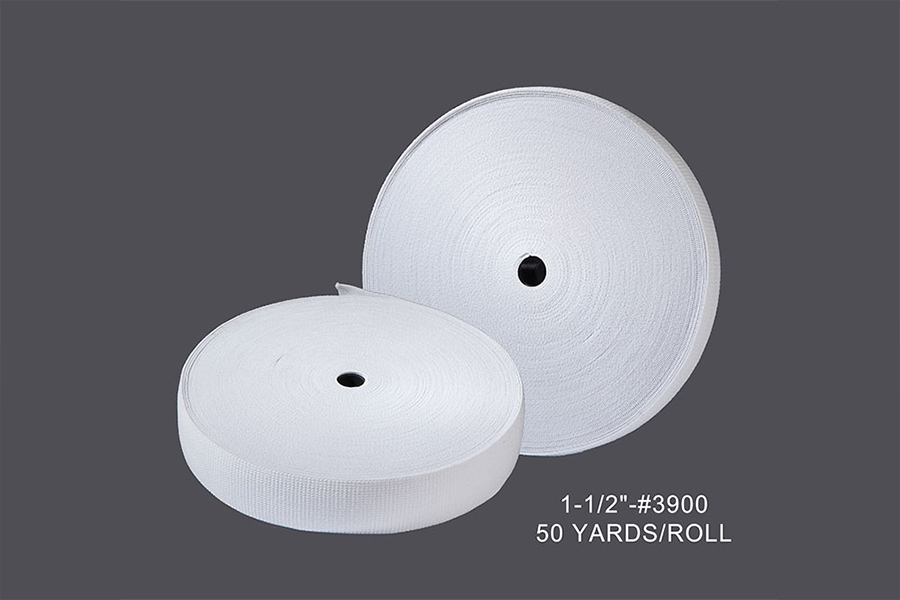
Our white elastic bands are a practical example of how this material fits real production needs. Supplied in roll form and suitable for cutting and continuous processing, they work especially well in garment manufacturing and other production environments that require stable stretch, soft hand feel, and easier batch handling. For buyers looking for a dependable bulk elastic webbing supplier, the key question is not only where elastic webbing is used, but also which industries depend on it most and what they expect from a long-term supplier.
Garment Manufacturing Remains The Largest Core Market
Apparel is still one of the biggest industries using heavy duty elastic webbing. In this field, the material is expected to do more than stretch. It needs to hold shape, recover well, stay comfortable against fabric, and support efficient sewing in mass production.
This is why elastic webbing is widely used in waistbands, cuffs, trouser hems, skirt structures, and internal garment support. In these applications, poor elastic can quickly create production problems. It may lose recovery, curl during sewing, cause uneven fit, or create complaints after repeated wear. For clothing factories and private label buyers, these issues directly affect product consistency and return risk.
Our white elastic bands fit naturally into this industry because they are supplied in roll format and are suitable for repeated cutting and standard production handling. That makes them useful for factories that need smooth workflow, predictable material usage, and stable performance in daily sewing operations.
Sportswear And Functional Apparel Depend On Reliable Stretch
Sportswear and active apparel use elastic webbing heavily because fit and movement are part of the product function. Waist areas, cuffs, support zones, and fitted edges all need controlled stretch. If elasticity is unstable, the garment may feel loose, too tight, or inconsistent across sizes.
Buyers in this segment usually care about recovery, repeated stretching performance, and the ability to keep the finished product looking neat after multiple uses. They also care about large-volume repeat orders, because athletic and casualwear programs often run season after season with very similar trim requirements.
For these buyers, sourcing is not just about price per roll. It is about whether the supplier can keep width, hand feel, and stretch behavior stable from one shipment to the next. This is where supplier reliability becomes part of the product value.
Underwear, Loungewear, And Soft Apparel Use It Every Day
Underwear, sleepwear, maternity garments, and lounge collections all use elastic webbing in ways that directly affect comfort. In these categories, the material needs enough holding power to keep shape while still feeling soft in contact with fabric.
This market often looks simple from the outside, but it is demanding in real production. The elastic has to perform consistently across high sewing speeds, different fabric weights, and long production runs. If the roll quality varies, cutting loss increases and factories spend more time adjusting during assembly.
Our white elastic bands are especially relevant here because this kind of application often requires a clean appearance, soft handling, and repeatable processing. For buyers serving apparel factories or garment accessory distributors, this is one of the most practical and stable demand segments.
Medical And Support Products Use Elastic For Controlled Tension
Another major industry is medical and support-related textile production. Elastic webbing is often used in braces, support garments, light fixation structures, and wearable textile components that need controlled stretch and holding tension.
Buyers in this sector are often more cautious than general garment customers. They may ask more detailed questions about stretch stability, material handling, width tolerance, and supply continuity. Even when the final application is simple, procurement teams usually want a supplier that can respond clearly and keep production risk low.
This is one reason many buyers prefer working directly with manufacturers instead of trading through multiple layers. In medical-adjacent or support-product sourcing, communication speed and specification control matter just as much as price.
Workwear And Protective Clothing Require More Durable Elastic
Heavy duty elastic webbing is also widely used in workwear and protective garments. These products often face repeated movement, longer wear cycles, and tougher washing conditions than everyday fashion items. In this setting, the elastic component needs to maintain useful rebound and structural support over time.
The buyer pain point here is simple. A garment may look acceptable at shipment, but if the elastic relaxes too quickly, the finished product loses value in real use. That can lead to quality complaints, replacement pressure, and damage to supplier credibility.
For manufacturers producing utility uniforms, industrial garments, or functional apparel, stable roll goods and dependable repeat supply are essential. Elastic webbing may be only one component, but it influences final wear performance more than many buyers first assume.
Bags, Cases, And Soft Storage Products Use Elastic In A Different Way
Although garment use is the most familiar, elastic webbing is also common in bags, cases, pouches, organizers, and storage accessories. In these products, elastic is used to hold tools, secure accessories, create internal compartments, or keep soft items in place.
The performance need is slightly different from apparel. Instead of focusing mainly on body fit, buyers in this segment care more about holding force, repeated expansion, neat installation, and long-term shape retention. A weak or inconsistent elastic may sag too early, making the whole item look lower quality.
This is why many bag and organizer manufacturers look for suppliers who understand production use rather than only retail packaging. They need roll goods that are easy to cut, easy to sew, and stable enough for repeated manufacturing use.
Home Textiles And Soft Furnishing Accessories Also Create Demand
Home textile producers also use elastic webbing in fitted covers, soft organizers, bedding-related accessories, and textile structures that need stretch and hold. In this market, bulk production efficiency is often a major concern. Buyers usually want materials that run well in continuous manufacturing and arrive in predictable roll form for warehouse control.
This creates a very B2B-focused sourcing logic. The question is not whether the material works once. The question is whether it supports ongoing production without creating unnecessary waste, mismatch, or processing delays. For wholesale buyers and OEM programs, that difference matters a great deal.
What Buyers In These Industries Usually Care About Most
Across all these industries, the buying concerns are surprisingly similar. Most procurement teams are trying to avoid unstable stretch, inconsistent width, unclear lead times, and uneven quality from roll to roll. They also worry about whether a supplier can support long-term orders instead of just small one-off shipments.
That is why buyers often look beyond the word elastic and start asking more practical questions. Can the material support their exact application. Can it move smoothly through cutting and sewing. Can the supplier support customization when a project requires a different width, color, or packing approach. Can repeated orders stay consistent enough for commercial production.
These are the real reasons many sourcing teams prefer to work with a manufacturer that can support OEM and ODM discussions in a practical way. In many projects, the elastic webbing is not sold on its own. It becomes part of a finished product, so consistency and coordination matter from the start.
Conclusion
Heavy duty elastic webbing is used most widely in garment manufacturing, sportswear, underwear, medical support textiles, workwear, bags, and home textile applications. Each industry uses it differently, but all of them care about the same core issues: stable stretch, dependable recovery, easier processing, and supply consistency across repeat orders.
Our white elastic bands are a strong fit for buyers who need roll-packed elastic for garment production and related manufacturing uses. If you are reviewing suppliers for an upcoming project, a private label program, or regular wholesale purchasing, feel free to contact us. We can help you evaluate width options, application suitability, and supply support based on your production needs, so your team can move forward with more confidence and less sourcing risk.