

How Are Meal Prep Containers Used in Catering and Food Services?
disposable food storage containers are used across many commercial sectors, but not every buyer needs the same thing from a container supplier. Some care most about food safety and leak resistance. Others focus on stackability, delivery efficiency, cost control, or stable supply for repeat orders. For importers, distributors, catering buyers, and private label projects, choosing the right container is not only about size. It is about whether the packaging can support real business operations.
Our disposable food storage containers are made for practical food packaging needs in high-volume use. They are suitable for takeaway packing, prepared meals, chilled food handling, and daily food service operations. For buyers looking for a dependable supplier, the real question is which industries use these containers most, and what standards matter in each one.
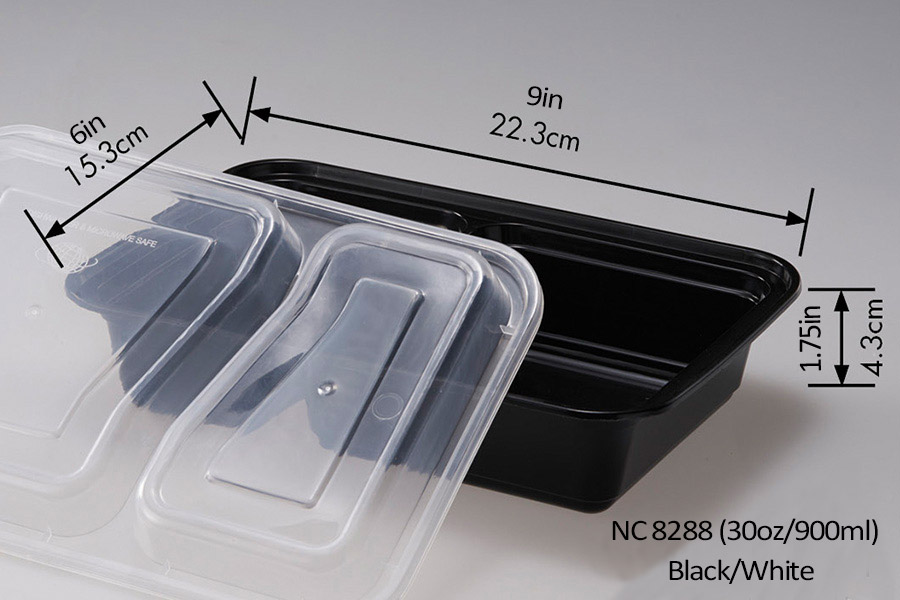
Restaurants And Takeaway Kitchens
Restaurants remain one of the biggest users of disposable food storage containers. In dine-in and takeaway operations, containers need to do more than hold food. They must support portion control, keep food protected during transport, and help staff pack orders quickly during busy hours.
This is where many buyers face the same problem. A container may look acceptable in samples, but if it seals poorly, stacks badly, or takes up too much storage space, it creates daily operational pressure. In restaurant use, packaging speed matters almost as much as food quality. That is why many buyers search for food storage containers for restaurants that offer a balance between practical design, stable quality, and efficient supply.
Our containers fit well into this environment because they are suitable for routine food packing and high-frequency use. For restaurant groups, cloud kitchens, and takeaway operators, reliable packaging helps reduce handling issues and supports a better customer experience.
Meal Prep And Ready-To-Eat Food Businesses
Meal prep companies and prepared food brands also use disposable containers in large quantities. In this segment, buyers usually focus on presentation, portion consistency, transport safety, and storage convenience. Containers often need to work well for chilled meals, pre-packed dishes, and organized delivery programs.
This industry tends to place repeat orders, which means consistency matters. If size tolerance changes, lid fit becomes unstable, or container shape shifts from batch to batch, the packing line becomes less efficient. That can slow down filling speed, create waste, and affect the final look of the packed meal.
Our disposable food storage containers are suitable for this kind of repeated commercial use. They help buyers build a more stable packaging routine for meal programs, whether the order model is wholesale distribution, central kitchen packing, or private label food supply.
Catering Services And Event Food Supply
Catering businesses need disposable containers for transport, temporary storage, portioning, and service preparation. Their packaging needs are different from restaurants because the scale often changes from one event to another. One day may require individual meal packs, while another may require grouped food storage and batch distribution.
This creates a common B2B pain point. Buyers need packaging that is flexible enough for different menu formats but consistent enough for bulk procurement. They do not want to switch suppliers too often, because that increases coordination time and creates stock inconsistency.
In this market, a supplier needs to support dependable lead times and practical communication. Buyers are often not just placing one order. They are building a long-term sourcing plan around events, seasonal demand, and repeat customers.
Supermarkets And Fresh Food Counters
Supermarkets, deli counters, and ready-meal sections also use disposable food storage containers heavily. In these environments, packaging has to support clean display, easier shelf arrangement, and dependable sealing during storage and transport. Appearance matters because the package is part of the buying decision.
These buyers often care about dimensions, filling convenience, and stackability. They also pay attention to whether the container works smoothly in larger packing workflows. A shape that wastes shelf space or a lid that slows down manual packing can increase labor pressure over time.
Our containers are relevant here because they are suitable for organized food packing and regular retail-support use. For wholesale buyers serving supermarket channels, stable packaging structure is often more valuable than chasing the lowest price alone.
Food Processing And Central Kitchens
Food factories and central kitchens use Disposable Food Containers for semi-finished items, prepared dishes, portioned products, and internal distribution. In this setting, the priority is usually operational efficiency. Buyers want packaging that supports production rhythm, internal logistics, and clean handling during high-volume processing.
This is one of the strongest reasons buyers prefer working directly with a manufacturer or experienced supplier. When container sourcing is tied to production scheduling, poor coordination creates bigger losses than simple packaging cost differences. Delayed shipment, unstable specifications, or weak packing performance can interrupt a much larger workflow.
For OEM and ODM projects, this becomes even more important. Buyers may need adjustments in size, color, lid structure, or packaging method to match their own market and processing system. A supplier that understands commercial packaging use can usually respond more effectively to these requirements.
Delivery Platforms And Cloud Kitchen Systems
Cloud kitchens and delivery-focused food businesses are another major user group. Their packaging decisions are driven by transport performance, speed of packing, and order accuracy. Containers need to be easy to fill, easy to close, and suitable for short delivery cycles without creating unnecessary mess or handling problems.
In this market, buyers often look beyond the basic product specification. They want a packaging partner that can support repeat volume, cost control, and smoother procurement planning. This is especially true for brands expanding across multiple outlets or regions. Once a packaging format is approved, they usually want continuity, not constant change.
That is why supplier capability matters. In fast-moving food service operations, packaging consistency supports both brand presentation and operational stability.
What Commercial Buyers Usually Care About Most
Although these industries are different, their sourcing concerns are very similar. Most buyers want the same core things: steady quality, practical sizing, easier storage, consistent lid fit, and dependable lead times. They also want fewer surprises after sample approval.
Another common concern is whether the supplier can support long-term growth. A buyer may begin with one market or one product category, but later need broader packaging options, custom requests, or more flexible order arrangements. This is where supplier experience becomes part of the value.
For wholesale importers, project buyers, and private label customers, OEM and ODM support can make procurement more efficient. It helps align the packaging with product positioning, packing methods, and end-market expectations without adding unnecessary sourcing complexity.
How Our Disposable Food Storage Containers Fit These Markets
Our disposable food storage containers are closely connected to the industries above because they solve practical packaging problems rather than serving as generic plastic boxes. They are suitable for takeaway meals, food prep, chilled storage, catering distribution, and daily commercial food handling.
For B2B buyers, this matters because packaging is not an isolated purchase. It affects labor efficiency, transport safety, storage organization, and customer satisfaction. A useful container should support the entire workflow, from filling and sealing to delivery and repeat ordering.
This is why many buyers prefer to work with a supplier that can discuss not only the item itself, but also order volume, application needs, and customization direction. In real business, good packaging supply helps reduce risk across the whole operation.
Conclusion
Disposable food storage containers are used most heavily in restaurants, takeaway kitchens, meal prep businesses, catering services, supermarkets, food processors, and cloud kitchen systems. Each sector has different packaging priorities, but all of them need reliable supply, practical performance, and stable product consistency.
Our containers are a strong fit for buyers who need dependable food packaging for daily commercial use. If you are comparing suppliers for wholesale purchasing, custom projects, or repeat orders, feel free to contact us. We can help you review suitable container options based on your food type, packing method, and order requirements, and provide practical guidance for a smoother sourcing process.